Documenting evidence
What to Do After a Car Accident: Steps and Photo Checklist
What to do after a car accident, step by step: stay safe, call the police when needed, swap details and take the photos your insurance claim will need.
What to do after a car accident comes down to a clear order. Get everyone safe, call 911 if anyone is hurt and call the police when your state requires it or the situation calls for it. Then swap driver and insurance details, photograph the vehicles and the scene, and tell your insurer as soon as you can. Leave the question of fault for later.
Most people are shaken after a crash, and that's exactly when the details that matter get lost: where the cars stopped, what the other driver's insurance card said, whether a sign was hidden behind a branch. A few minutes with your phone can save weeks of back-and-forth with an insurer.
We build TrustCamera, a camera app for photos that others can check, so we think a lot about what makes a picture useful as a record. This is general information, not legal advice, and the rules differ from state to state.
What to do after a car accident: the short checklist
Right after a car accident, make the scene safe, check for injuries and call 911 if anyone is hurt. Call the police if your state requires it or someone is injured. Exchange information with the other driver, photograph the vehicles and the scene, and ask witnesses for their contact details. Then report the crash to your insurer promptly.
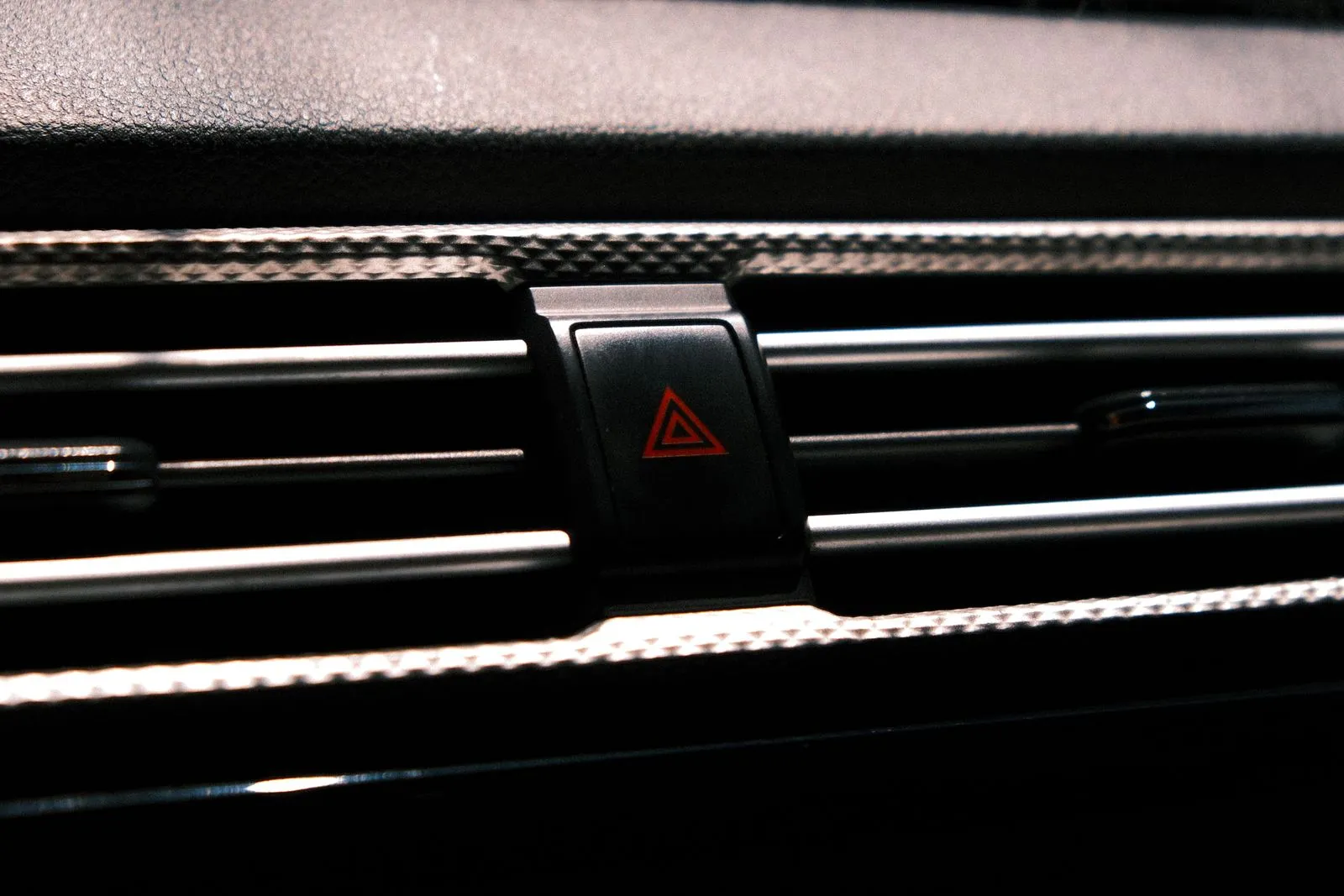
- Stop and secure the scene: Turn on your hazard lights and move out of traffic if no one is hurt and the car still drives.
- Check for injuries: Call 911 right away if anyone is hurt.
- Involve the police: after injuries, a hit-and-run or whenever your state requires a report.
- Exchange information: names, contact details, driver's licenses, insurers, policy numbers and plates.
- Take photos: the scene, every vehicle, the damage, plates, signs and road conditions.
- Talk to witnesses: get names and phone numbers, and stick to facts about what happened.
- Follow up: call your insurer, see a doctor if you're hurt or unsure, and check your state's reporting rules.
The list combines advice from the Insurance Information Institute and the California DMV, linked below, with our own photo routine. Knowing what to do after a car accident is half the job; the other half is a record that holds up later. For what makes a picture convincing, see our guide to photos as evidence.
The first thing to do after a car accident: make the scene safe
Stop. The California Driver's Handbook is blunt about it: you must stop, and leaving the scene of an accident is called a hit-and-run, with severe punishment if you're convicted. Each state sets the exact duties in its own law, so treat California's wording as one example rather than the rule where you live.
Turn on your hazard lights so approaching drivers can see you. If no one is hurt, the California handbook says to move your vehicle out of traffic and then call 911. When the car can't be moved, stay well away from passing traffic.
Next, check yourself and your passengers, then the people in the other vehicle. Tend to people first and call 911 if anyone is injured, the Insurance Information Institute advises in its guide to what to do at the scene of an accident. Everything else, including the photos, can wait until people are taken care of.
When to call the police after a crash
Whether you have to call the police depends on your state and on what happened. There's no single nationwide rule. California, for example, requires a report to law enforcement within 24 hours if anyone is injured or killed, according to the state's driver handbook. Your insurance agent, broker or legal representative can also file that report.
A police report is useful even when it isn't required. The Insurance Information Institute recommends alerting the police or highway patrol after a serious accident, especially if anyone is hurt. If officers can't come to the scene, the institute suggests filing a report at the nearest police department or on its website. An official report can help if the other driver later sues or the damage turns out to be worse.
In our view, also call from the scene if a driver seems impaired or aggressive, or the other driver won't share their details or drives off.
What information to exchange with the other driver
Get the other driver's details before anyone leaves. California's handbook tells drivers to show their driver's license, vehicle registration card, insurance information and current address to the other driver, the officer and anyone else involved. Here's what we'd collect, plus contact details for any witnesses:
- Driver: full name, phone number and address
- License: driver's license number and the issuing state
- Insurance: company name and policy number
- Vehicle: make, model, color and license plate
- Optional: the vehicle identification number (VIN), if it's easy to see
A photo of the other driver's license and insurance card avoids typing mistakes, and the Insurance Information Institute calls smartphones a great way to record driver and car documentation. Ask first, though, and photograph the documents only with the other driver's consent. If they say no, write the details down and photograph their license plate instead.
What to take pictures of after a car accident
Photos are the part of the scene you can take with you. Cars get towed, glass gets swept up and skid marks fade. The Insurance Information Institute advises taking pictures of the damage if possible and noting the location, time of day and weather. Once everyone is safe, this is the order we'd follow.
Wide shots of the scene first
Start wide. Stand somewhere safe, such as the sidewalk or the shoulder, and photograph the whole scene from several directions so the positions of the vehicles and the layout of the road are clear. If the cars have to be moved for safety, moving them comes first; a few quick shots beforehand are only worth it when no one is put at risk.
Every vehicle from all four corners
Walk around each vehicle involved and photograph it from all four corners at an angle, so each shot shows two sides at once. Then take the damage itself: one shot from a few steps away that shows where on the car it is, and one close-up. Include the other car's license plate in at least one damage photo. A key or coin next to a small dent shows its size, the same trick we suggest for a rental car damage walk-around.
Details that explain how it happened
Damage shows the result. The surroundings help explain the cause, so photograph these as well:
- Signs and signals: stop signs, traffic lights, lane markings and anything blocking the view of them.
- Marks on the road: skid marks, debris, broken glass and fluid leaks.
- Conditions: wet pavement, potholes, glare, fog or darkness.
- Location: a street sign, house number or intersection that shows exactly where it happened.
- Property: fences, poles, mailboxes or parked cars that were hit.
Take more photos than you think you need. You can sort through a copy later, but you can't go back to the scene as it was.
What not to photograph
Photograph vehicles and property, not people. In our view, pictures of injured strangers are intrusive and have no place on social media, and filming an argument with the other driver only escalates things. If someone is hurt, helping comes first. Stay out of the way of police and paramedics, and follow their instructions.
What not to do after a car accident
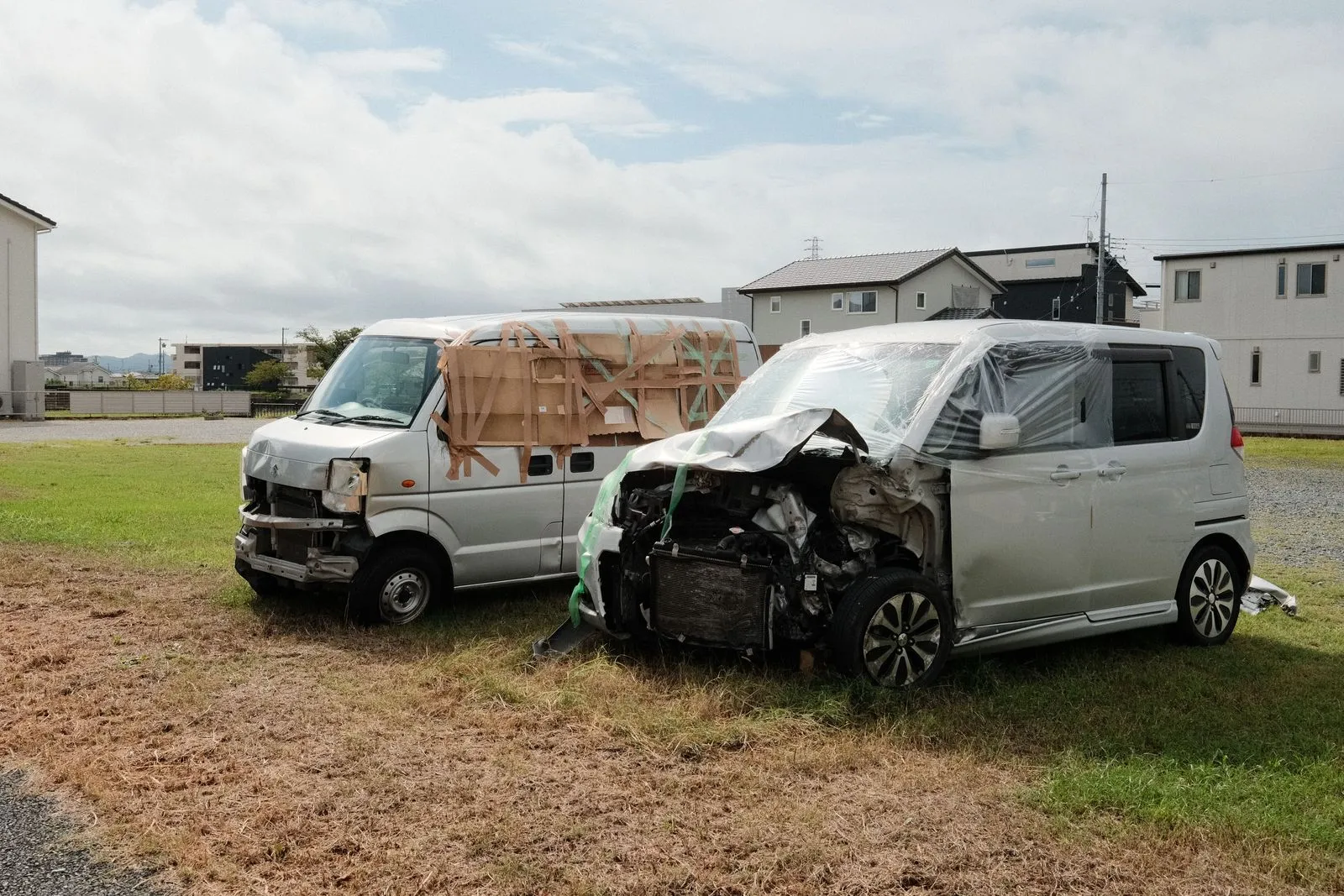
The biggest mistake is arguing about fault at the roadside. Emotions run high, and you may not know everything that happened, such as whether the other driver was distracted. In our view, it's best to stick to facts, stay polite and leave the question of fault to the insurers and, if needed, the police. A few other habits also make a crash harder to sort out afterward:
- Leaving early: don't drive off before you've exchanged details, and never after hitting a person or property.
- Guessing: if you don't know how fast you were going, say so instead of estimating.
- Signing: don't sign statements about fault or agree to pay for the other car on the spot.
- Posting: keep photos and comments about the crash off social media.
- Deleting: keep every photo, even blurry ones, because gaps in a series raise questions.
After you leave the scene: your insurer, a doctor and state reports
Call your insurer as soon as you can, even from the scene and regardless of who was at fault. That's the advice of the Insurance Information Institute in its guide to filing an auto insurance claim, which suggests reporting even minor accidents so you can find out whether your policy covers the loss. Ask whether your policy sets time limits for filing a claim or sending documents. Many insurers' apps let you report a claim and upload photos directly, the institute notes.
Keep the claim number, the names of everyone you talk to, repair estimates, towing receipts and medical bills together. See a doctor if you're hurt. In our view, a check-up is also worth it if you're unsure, because being shaken can mask how you're really doing.
State reporting duties: California's SR-1 as an example
Some states require drivers to file their own report, separate from the police report. California is one of them. According to the California DMV, you or your insurance agent, broker or legal representative must send an SR-1 report to the DMV within 10 days if someone is injured or killed. That applies no matter how minor the injury, and also when property damage is over $1,000. The SR-1 comes on top of any report to the police, the California Highway Patrol (CHP) or your insurer.
The DMV handbook adds that each driver must file, whether or not they caused the collision, even on private property. Law enforcement won't make the report for you, and your driving privilege will be suspended if you fail to file. Other states set their own thresholds and deadlines, so check the DMV website of the state where the crash happened.
Hit-and-run or an uninsured driver: what changes
If the other driver leaves without stopping, stay where you are if it's safe and call the police right away. Write down everything you remember: the plate number, even if it's partial, plus the make, model, color and direction of travel. Photograph your damage and the scene as usual, and ask witnesses whether they caught the plate.
If you're the one who hits a parked car or other property, the California handbook says to try to find the owner. If you can't, leave a note with your name, phone number and address, attach it securely and report the collision to law enforcement. A photo of the note on the windshield shows that you did.
When the other driver has no insurance or is never found, your own policy may help. According to the Insurance Information Institute, uninsured motorist coverage reimburses you when an accident is caused by an uninsured motorist or in a hit-and-run. Underinsured motorist coverage applies when the other driver lacks adequate coverage for a serious accident. Whether you have either, and what it pays, depends on your policy and your state.
What car accident photos can and can't prove
Your phone photos are often the most detailed record of a crash, but they have limits. The original file usually stores the date, time and often the location in its metadata, as our guide on how to see photo metadata explains. That information can be edited, though, so on its own it's a clue rather than proof.
Sharing is where details get lost. Many messaging apps and social networks shrink images and strip most of the metadata along the way. Send photos to your insurer through its app, by email or as files, and keep the untouched originals on your phone and in a backup. A visible date stamp doesn't settle the question either, as our guide on how to timestamp photos explains, because it comes from a clock that can be changed.
Photos also can't show the seconds before impact; that part comes from statements, witnesses and sometimes dashcam footage. The same overview-plus-close-up routine helps whenever damage is disputed, whether it's a car or a package that arrived damaged.
Where TrustCamera fits after a crash
The weak spot of ordinary photos is the question of whether a file was edited or taken later. That's the gap we're building TrustCamera for. You take photos and videos directly in the app, with no uploads from your gallery, and each capture gets a check code.
At the scene, you'd share the code with the other driver right away, while you're still exchanging details, and later with your insurer. Anyone with the code can check it for free in the browser at app.trustcamera.com, without an account. The check shows that the file hasn't changed since capture, when it was taken and roughly where, within about 10 km (around 6 miles) and never the exact position.
Know the limits, too. A check code doesn't show who took the picture, whether a scene was staged or what happened before the impact. It doesn't replace a police report, a state report or your insurer's claim process. TrustCamera for Android and iOS isn't available yet; it's coming soon.
Frequently asked questions about what to do after a car accident
What is the first thing you should do after a car accident?
Stop and make sure everyone is safe. Turn on your hazard lights, check yourself and your passengers for injuries and call 911 if anyone is hurt. If no one is hurt and the car still drives, move it out of traffic. Only then turn to the rest: information, photos and witnesses.
Do I have to call the police after a minor car accident?
It depends on your state and the situation. California, for example, requires a report to law enforcement within 24 hours if anyone is injured or killed. Even when a report isn't required, the Insurance Information Institute suggests filing one, at the police department or on its website if officers can't come.
What should you take pictures of after a car accident?
Start with wide shots of the scene from several directions. Then photograph every vehicle from all four corners, the damage up close and from a few steps away, and all license plates. Add traffic signs, skid marks, debris, the weather and the light. Photograph the other driver's documents only with their consent.
What should I do if the accident wasn't my fault?
Do the same things as after any crash: get safe, exchange information, take photos and find witnesses. Don't rely on the other driver's promise to pay. Report the accident to your own insurer, which the Insurance Information Institute recommends regardless of who is at fault. If the other driver is uninsured, uninsured motorist coverage may help.
How long do you have to report a car accident?
That depends on your state and your insurance policy. In California, drivers must file an SR-1 with the DMV within 10 days if someone was injured or killed or property damage is over $1,000, in addition to any police or insurance report. Insurers set their own notice rules, so tell yours as soon as you can.
Conclusion: what to do after a car accident is mostly calm steps and good photos
If you know what to do after a car accident before it happens, the minutes after are much easier: safety first, then the police when needed, then information, photos and witnesses. Leave fault for later and call your insurer early.
The photos are the part you can't redo. Wide shots, every vehicle from every corner, the damage up close and the details of the road give your insurer a clear picture. Keep the originals and check your state's reporting rules.
About the author

Co-founder & Marketing at TrustCamera
Yannick is a co-founder of TrustCamera and leads marketing and content. He holds a bachelor's and a master's degree in business and has worked in content marketing and SEO for years.