Documenting evidence
Photos as Evidence: What Courts Look For and What's Allowed
Photos as evidence: how courts authenticate pictures, what makes a photo convincing, where privacy laws draw the line and how to keep your originals.
Yes, you can use photos as evidence, both in court and in everyday disputes with a landlord, a rental car company or a seller. Before a court considers a photo, someone usually has to show it's what you claim it is, often the person who took it or saw the scene. After that, the judge or jury decides how convincing it is, and photos persuade most when you have the original file, a clear time and place, wide shots plus close-ups and no edits.
Trouble usually starts weeks later. The other side says the dent was already there, the box arrived intact or the picture was taken on a different day. At that point, what counts isn't how many pictures you have but whether they add up to a consistent story. Privacy laws set limits too: depending on your state, secretly photographing people in private places or recording conversations can be a crime.
At TrustCamera we build a camera app for photos anyone can check, so we think a lot about what makes photos hold up as evidence. This guide explains how US courts handle photographic evidence, how to take pictures that convince and where the legal limits are, as of September 2026.
Photos as evidence: the short answer
A photo rarely settles a dispute by itself. It's one piece of evidence that gets weighed alongside everything else. The better you can show when, where and by whom it was taken, and that the file hasn't been altered, the more weight it carries. Usually, the strongest photos are taken right away, show the full picture and are backed up by witnesses, messages or signed reports.
How well a picture holds up later also depends on how you capture it and what supports it. Here's how the common approaches compare:
| Method | What it shows | Weak spot |
|---|---|---|
| Regular phone photo | The scene, plus date, time and often location in the metadata | Metadata can be edited and may be stripped when you share the image |
| Photo with a timestamp overlay | Date and time printed on the image | Comes from the phone's clock or the app, which can be changed |
| Texting or emailing photos to the other side right away | The photos existed no later than when the message arrived | Doesn't show exactly when they were taken |
| Signed inspection report with photos | Both sides confirmed the condition | Only works if the other side takes part and signs |
| A witness | A second person confirms when, where and what | Memories fade, and witnesses aren't always available |
| Capture with a check code, such as TrustCamera | File unchanged since capture, plus capture time and approximate location | Doesn't show whether the scene was staged; the app is coming soon |
None of these methods is airtight on its own. In our view, they work best in combination: a phone photo you send to the other side the same day, plus a witness or a signed report. Our guide on how to timestamp photos explains what date stamps can and can't prove.
How to photograph evidence: a checklist
The best evidence photos are taken before anything changes. If you only reach for your phone after cleaning up, repairing or driving off, you're documenting a different situation. These steps work for most cases, whether it's an apartment, a car or a package:
- Shoot right away: Capture the condition before anyone moves, cleans or repairs anything.
- Wide first, then close: Show the whole room, car or box, then the damage from mid-range and finally in a close-up.
- Add a scale: A tape measure, ruler or coin next to the damage shows its size.
- Include landmarks: A room, house number, license plate or shipping label shows where and what you photographed.
- Photograph what's fine too: A complete series shows you didn't leave anything out.
- Don't edit or delete: No filters, no cropping the original and no gaps in the series.
- Share and take notes: Send the photos to the other side right away and write down who was there.
Short videos add context that single shots miss, such as a walk through an empty apartment or once around a car. Film the condition, not the conversation. We explain why audio is risky in the section on secret recordings below.
Shoot in good light and from several angles. A flash aimed straight at paint, glass or tile causes glare that can hide scratches or create ones that aren't there. It's better to take ten photos too many than one too few, since you can always sort through a copy later while the originals stay complete.
Are photographs admissible evidence? How US courts decide
In federal courts, the Federal Rules of Evidence set the framework. State courts follow their own rules of evidence, and the details differ from state to state. Treat the points below as the general idea rather than the exact rule where you live, and keep in mind that this is general information, not legal advice.
Authentication: showing the photo is what you say it is
Under Federal Rule of Evidence 901, whoever offers an item of evidence must produce evidence sufficient to support a finding that it is what they claim it is. The rule lists examples that fit photos well. One is testimony from a witness with knowledge, such as the person who took the picture or saw the scene. Another is the item's distinctive characteristics, taken together with all the circumstances. Evidence about a process or system that produces an accurate result is a third.
Clearing that bar only gets a photo through the door. Whether the judge or jury finds it convincing is a separate question, and the other side can still argue that it's misleading, incomplete or edited.
When a judge can keep a photo out
Relevant evidence isn't automatically in. Under Rule 403, a court may exclude it if its probative value is substantially outweighed by dangers such as unfair prejudice, confusing the issues or misleading the jury. A cropped, heavily filtered or out-of-context photo invites exactly that argument, which is one more reason to keep your originals and the complete series.
Originals, copies and digital files
When the content of a photo is what you're trying to prove, Rule 1002 generally requires the original. That's less strict than it sounds. Under Rule 1003, a duplicate is admissible to the same extent as the original unless there's a genuine question about the original's authenticity or admitting the copy would be unfair. If someone does raise that question, you want the untouched file ready.
State rules: California as an example
States handle these details in their own ways. In California, Evidence Code section 1553 presumes that a printout of images stored on a digital medium accurately represents those images. Once the other side offers evidence that the printout is inaccurate or unreliable, though, the party who introduced it has to prove that it's accurate. Having the original file on hand is what lets you do that.
Disputes over deposits, rental cars or damaged packages are often small enough for small claims court, whose procedures vary by state. Check your court's self-help pages for how to submit photos. If a lot is at stake, talk to a lawyer or your local legal aid office.
What makes photos convincing as evidence
The strongest argument for a photo is the untouched original file. Besides the image, it usually holds metadata such as the capture time, the camera model and often the location. The iPhone Photos app lets you adjust the date, time and location, Google Photos the date and time, and free editors can rewrite any field, as our guide on how to see photo metadata shows. So metadata is a clue, not proof on its own.
Time and place should come from more than one source. Does the daylight match the time you claim? Is there a text or email in which you sent the pictures that same day, or a dated inspection report? Independent traces like these make it hard for the other side to argue that your photos were taken later or somewhere else.
A close-up alone shows a scratch, but not on which car or in which apartment. The sequence of wide shot, mid-range and detail makes it clear where the damage is and how big it is. A convincing series also shows the whole condition, not just the spots that help your case. If you only photograph defects, you can easily look selective.
Filters, cropping and retouching make a photo easier to attack, even when they're harmless. If you want to mark something, edit a copy and keep the original alongside it. Our guide on how to tell if a photo is photoshopped shows what edits leave behind. Now that AI images can look real, we expect the other side to question more often whether a photo is genuine at all.
A photo gets stronger when something else says the same thing. A second person who was there when you took the pictures can testify about when and where they were taken. At a handover, an inspection report signed by both sides carries particular weight, because the other side confirmed the condition themselves.
Can photos be used as evidence if you took them secretly?
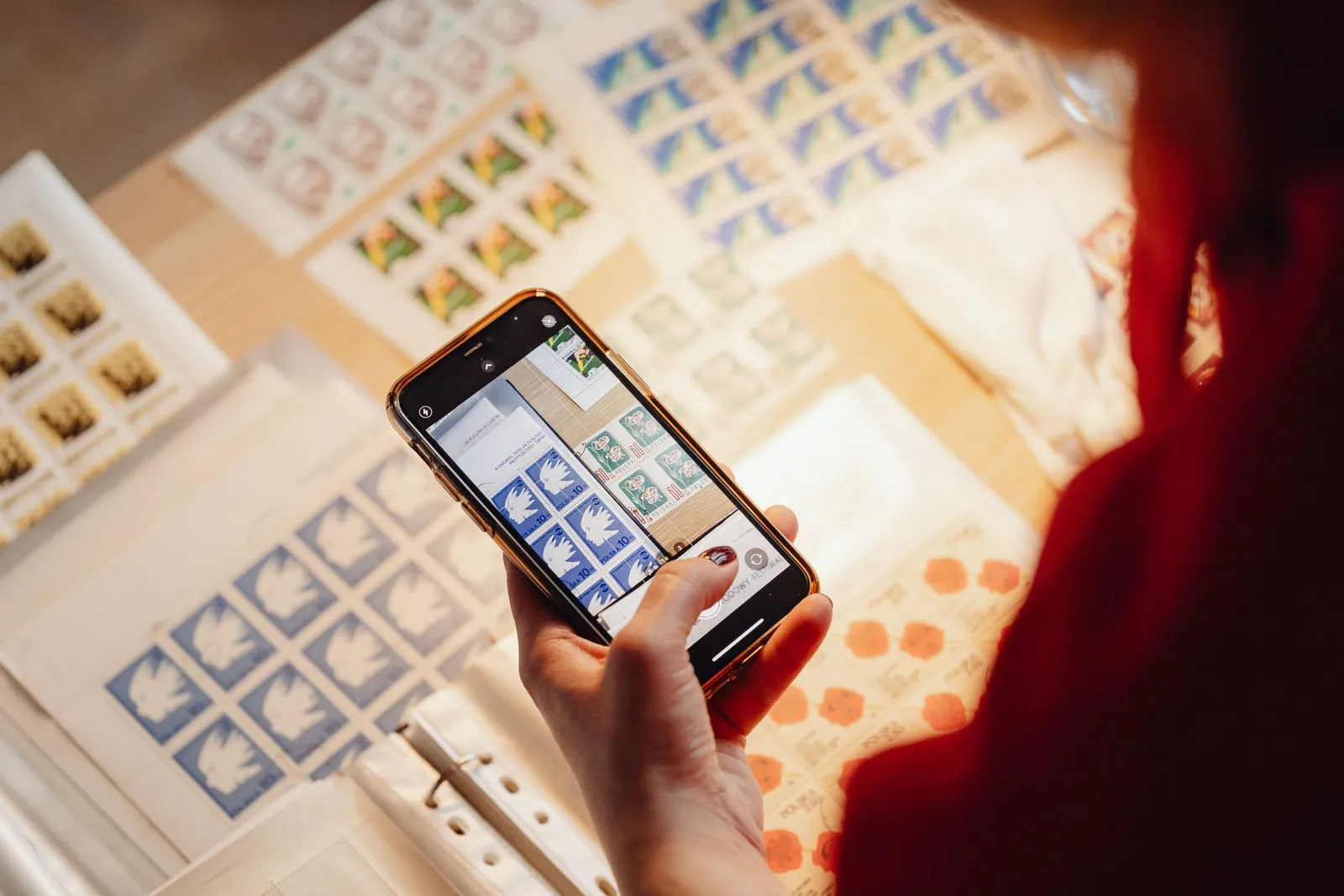
In our view, photos of things, such as a water stain, a scratch or a crushed box, rarely raise privacy questions. It gets tricky once people are recognizable or you point the camera into someone else's private space. The rules differ by state, so here are a few examples of where the lines run.
California is one example. Its Penal Code section 647(j) makes it a crime to use a camera, phone or similar device to view the inside of a bedroom, bathroom or changing room with the intent to invade someone's privacy. The same applies to any other area where the occupant has a reasonable expectation of privacy. Your state's rules may be worded differently. Either way, photographing a neighbor inside their home through a window to win an argument is a bad idea.
Audio is where it gets riskier, because phone videos record sound by default. Under federal wiretap law, 18 U.S.C. § 2511, it isn't unlawful to record a conversation you're part of, or one where a party has consented, unless you do it to commit a crime or tort.
Some states are stricter. California Penal Code section 632 prohibits recording a confidential conversation without the consent of all parties. The statute also bars evidence obtained that way in court and other proceedings, except in a case over the violation itself. In criminal trials, though, the California Supreme Court held in People v. Guzman (2019) that the state constitution's Right to Truth-in-Evidence overrides this bar. Civil cases, such as a deposit dispute, are not affected by that ruling.
So film the condition, not the argument. If you want to record a conversation, say so up front and get everyone's agreement. And in our view, evidence photos belong with the court, your insurer, the police or your lawyer, not on social media or review sites, where they can start a new dispute.
Photos as evidence in everyday disputes
Most evidence photos never reach a courtroom. They help earlier, because the other side can see you documented things carefully. Common examples of photographic evidence include move-in and move-out pictures, a rental car at pickup and return, a damaged package, an accident scene and property damage.
Rentals: Photos can help decide how much of your security deposit comes back. Photograph every room when you move in and out, and record defects in a move-in inspection checklist. Our guide to security deposit deductions explains what landlords can charge and how to push back.
Rental cars: The minutes at pickup and return matter most. Walk around the car and photograph it before you drive off and again when you park it, including the fuel gauge and odometer. Our guide to rental car damage covers what to check and what happens if the company bills you later.
Packages: If the box already looks damaged at your door, photograph it from every side with the shipping label before you open it, then photograph the contents. Keep the packaging. When a package arrived damaged, our guide explains who is responsible and when to go to the seller, the carrier or your card issuer.
Online purchases: If an item never arrives or isn't as described, save screenshots of the listing, profile, messages and payment, and photograph the delivery as you unpack it. For the next steps after a scam, see our guide for when you've been scammed on Facebook Marketplace.
The same principle applies after a car accident or in a dispute with a neighbor. Make sure you and the scene are safe first, then photograph the vehicles, the damage and the surroundings. With neighbors, stick to things and times: photograph the damaged fence or the water stain, and keep a written log of noise instead of filming people.
How to store evidence photos and keep the originals
Photos as evidence are only as good as the files behind them. A great shot won't help if the file is gone later or only exists as a shrunken copy. Keep the originals on your phone and back them up right away, for example on your computer and in cloud storage. Messaging apps and upload sites can compress images and strip metadata along the way. Share evidence photos as files or by email where you can, and keep the original.
A short note for each series helps: the date, place and occasion, who was there and what the photos show. In a dispute, hand over copies, never your only original. If a court later wants the file, you can still produce it unchanged.
How long you should keep the pictures depends on the case. In our view, keep them at least until the dispute is fully resolved, which for a rental means until your deposit has been settled. And don't delete failed shots from the original series, since gaps in a sequence of photos raise questions you can avoid.
Where TrustCamera fits: a check code at capture
The biggest weakness of ordinary phone photos is the question of whether the file and its timestamp still match the original. That's where we come in with TrustCamera. You capture photos and videos directly in the app, and there's no way to upload pictures from your gallery. Each capture gets its own check code.
Share that code with the other side right away: with your landlord at the walkthrough, the rental counter at return or the seller when an item arrives damaged. They can then check it straight away for free in their browser, without an account. The check confirms that nothing in the file has changed since capture and shows the capture time and approximate location. That location is only accurate to about 10 km (roughly 6 miles) and never reveals the exact position.
Hold on to your own copies of the pictures, too. A capture with a check code helps you document a condition in a way others can follow, and it can help as a record. A court still decides for itself how much weight to give it, as with any photo, and no check code can show whether a scene was staged or something was kept out of frame. TrustCamera isn't available yet; the Android and iOS versions are coming soon.
Frequently asked questions about photos as evidence
Are photographs admissible evidence?
Generally yes, if they're relevant and properly authenticated. Under Federal Rule of Evidence 901, whoever offers a photo must show it is what they claim it is, often through the person who took it or saw the scene. A judge can still exclude a photo if the risk of misleading the jury or unfair prejudice substantially outweighs its value, and state rules differ in the details.
Can photos be used as evidence in court?
Yes. Photos are used as evidence in small claims, civil and criminal cases alike. What matters is that someone can explain what the photo shows, when and where it was taken and that it hasn't been altered. Keep the original file, because a copy can be challenged if there's a genuine question about authenticity.
Are cell phone pictures admissible as evidence?
Cell phone pictures are treated like other photos: they need to be relevant and authenticated. Phones add metadata such as the capture date and sometimes the location, which can support your account but can also be edited. Keep the untouched original and back it up rather than relying on a copy sent through a messaging app.
How do you authenticate pictures as evidence?
Usually through testimony from someone with knowledge, such as the person who took the picture, confirming it is what you claim. Distinctive details in the image, metadata, a complete series of shots and messages showing when you shared them can support that. Federal Rule of Evidence 901 lists methods like these as examples, and state rules vary.
Does a timestamp prove when a photo was taken?
Not on its own. A timestamp printed on the image comes from the phone's clock or the app and can be changed or added later, and the date in the metadata can be edited too. Treat it as one clue that should match other records, such as an email to the other side, a signed report or a witness.
Can I use photos I took secretly as evidence?
That depends on what and where you photographed. Pictures of objects and damage are rarely a problem. Photographing people in private places such as a bedroom or bathroom can be a crime, and recording conversations without everyone's consent is illegal in some states, including California. There, an illegal recording of a confidential conversation generally can't be used as evidence in a civil case, such as a deposit dispute.
Conclusion: photos work as evidence when they tell a complete story
Photos are often the best evidence you have in everyday disputes, but they don't speak for themselves. A court will ask whether the file, the time, the place and the content all fit together. If you shoot right away, completely and without edits, keep the originals and share the pictures with the other side the same day, you're in a much stronger position.
The limits matter just as much. Photograph things rather than people, don't secretly record conversations and keep evidence photos off social media. If a lot is at stake, a lawyer or legal aid office can help you judge how strong your evidence really is.
About the author

Co-founder & Marketing at TrustCamera
Yannick is a co-founder of TrustCamera and leads marketing and content. He holds a bachelor's and a master's degree in business and has worked in content marketing and SEO for years.