Documenting evidence
Rental Car Damage: What to Do and How to Avoid False Claims
Rental car damage, step by step: what to photograph at pickup and return, what happens if you damage the car and how to dispute a claim after return.
If you damage a rental car, report it to the rental company right away and call the police if anyone is hurt or a report is required. Then check which coverage applies: the company's damage waiver, your own auto policy or your credit card. To avoid paying for rental car damage you didn't cause, photograph and film the car at pickup and at return, and get existing damage noted before you drive off.
The stakes are real. "If you don't buy a CDW or aren't covered by your personal car insurance, you're responsible for any damages to the rental," the FTC warns in its advice on renting a car. And a scratch you didn't cause can turn into a bill weeks later if you can't show it was already there.
At TrustCamera we build a camera app that gives photos a check code at the moment they're taken, so we spend a lot of time on how to record a car's condition in a way others can check. Below you'll find a pickup and return checklist, what to do after damage happens, who pays, and how to respond to a claim that arrives after you've handed back the keys.
Rental car damage at a glance: what to do and when
Two moments matter most: pickup and return. At pickup, capture every scratch, dent and windshield chip in photos and video, and have the agent note it on the rental agreement. At return, repeat the walk-around, ideally with an employee, and get a receipt. If something happens in between, report it right away.
| Moment | What to do | Why it matters |
|---|---|---|
| Pickup | Photo and video walk-around, pre-existing damage noted on the agreement, fuel and mileage photographed | You shouldn't pay for damage that was there before you |
| During the rental | Photograph new damage at once, tell the rental company, call the police after a crash | The company hears about it early, and your account is on record |
| Return | Return during business hours, walk around the car with an employee, ask for a closed-out receipt | Without a check-in, it's hard to show when damage happened |
| Afterward | Keep photos, receipts and paperwork, answer any claim in writing | Damage claims can arrive after you're home |
The table combines advice from the FTC and the Florida Attorney General, which we link below, with our own checklist. For the bigger picture on when pictures help in a dispute and where they fall short, see our guide to photos as evidence.
Before you drive off: document existing damage
The Florida Attorney General's car rental tips are simple: inspect the car carefully before leaving the lot, note any damage and bring it to the rental agent's attention. Take a photo of any pre-existing damage, the office adds, so you won't be charged for it when you return the vehicle. It's the same idea as a move-in inspection for an apartment: you record the condition before it becomes your responsibility.
Take your time, even with a line forming behind you. Rental garages can be dim, so use your phone's flashlight for the lower panels and wheels. Here's a walk-around routine that covers the spots people tend to miss:
- Overview: Start with a shot that shows the license plate and the lot or parking bay.
- All four sides: Photograph each side and each corner at an angle, plus bumpers, rocker panels and the roof.
- Glass and lights: Windshield chips, headlights, taillights and side mirrors.
- Wheels: Every rim and tire, because curb rash is easy to overlook.
- Interior and trunk: Seats, dashboard, headliner and cargo area.
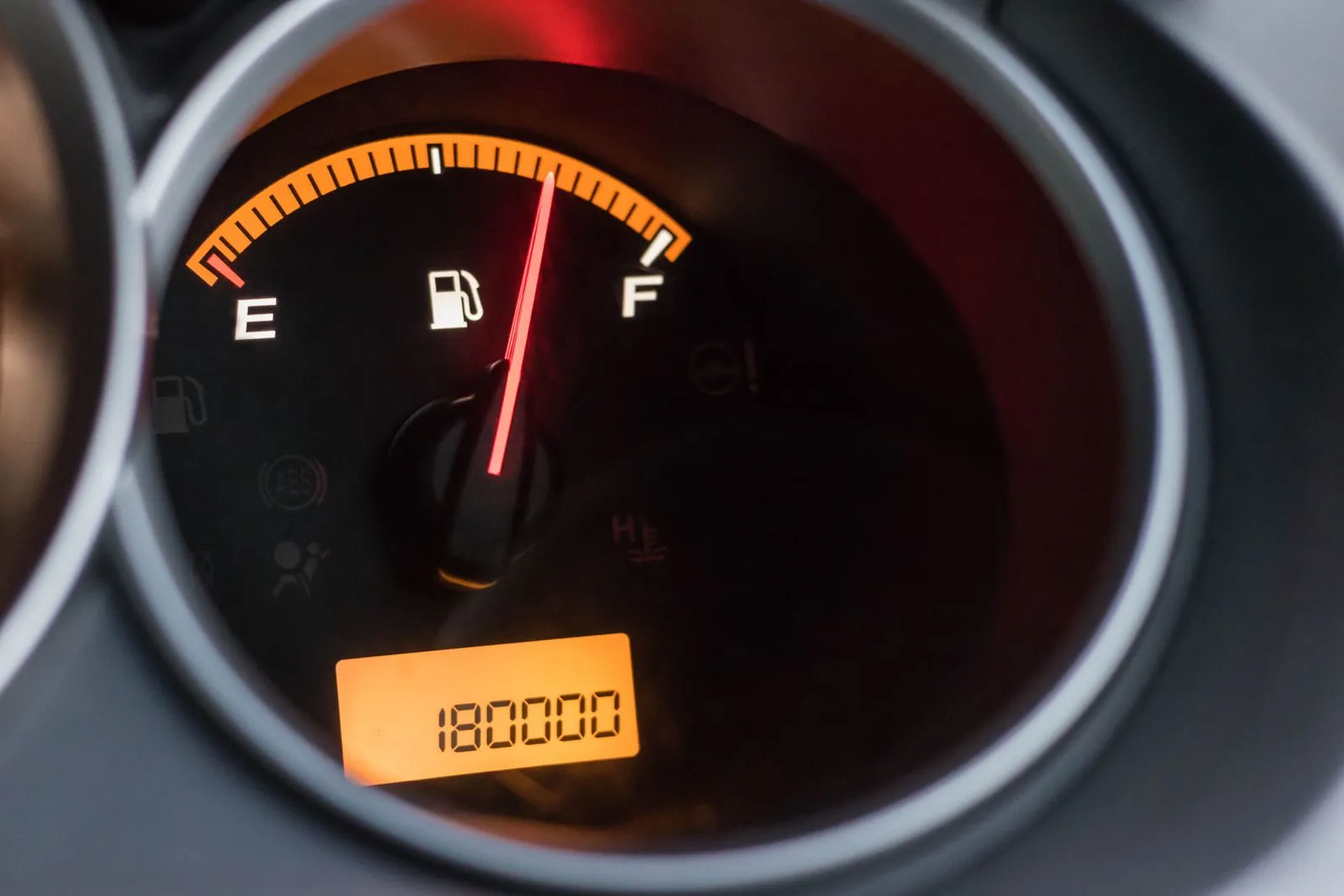
- Fuel and mileage: One photo of the dashboard showing the fuel or charge level and the odometer.
- Paperwork: The rental agreement or condition form with every damage note.
Add a short video in which you walk slowly around the car and say the date, the location and anything you notice. For close-ups, put a key or a coin next to the damage for scale.
If you find damage that isn't on the paperwork, go back to the counter and have it added before you leave. With a contactless pickup through an app or kiosk, report it through the company's app or by email before you drive off, and keep that message. That way the company has your report before you've driven a single mile.
Time and place: what your phone photos prove and what they don't
Your phone usually saves the date and time of each photo in its metadata, and often the location too. Our guide on how to see photo metadata shows where to find it. The catch is that anyone can edit those details in seconds. If the rental company says your photos were taken after the return, metadata alone won't settle it.
You can make your pictures much stronger with a few habits. In our view, it helps to email the photos to yourself or upload them to cloud storage right after the walk-around. That adds a second time record that you didn't set yourself. Emailing them straight to the rental location is even better. Don't edit the originals; work with copies if you need to crop.
For the place, a photo that shows the car together with the branch sign or bay number usually does the job. Our guide on how to timestamp photos explains the ways to put a visible date and time on a picture. The same routine of overview, close-up and written report also helps when a package arrived damaged.
Returning the car: get a check-in, not just a drop box
In our view, the safest return is one where an employee walks around the car with you and hands you a closed-out receipt that shows no new damage. Plan for that by returning during business hours. The Florida Attorney General also warns that keeping a car past the deadline can mean paying for an entire extra day, possibly at a higher rate.
Repeat your pickup walk-around in the return lane, including the fuel gauge and odometer. The Florida Attorney General suggests keeping the gas station receipt and noting the miles driven from the station to the rental location, in case the company adds a fuel charge. If an employee signs off on the car's condition, photograph that receipt too.
If you have to use an after-hours drop box, photograph the car where you park it, with the branch sign or building in the frame. Film yourself dropping off the key and email the photos to the location the same day. Without an employee check-in, those pictures are the main record of how the car looked when you left it.
What happens if you damage a rental car?
What you owe depends on your coverage. The FTC says rental companies may sell you a collision damage waiver (CDW), sometimes called a loss damage waiver (LDW), under which the company pays for damage to the car. Without a waiver or personal car insurance that covers the rental, you're responsible for the damage yourself, sometimes up to the car's full value. A waiver can be canceled if you drive recklessly or under the influence, or let an unauthorized person drive, and it won't pay for your injuries or personal belongings.
The bill isn't always limited to the repair. According to the Insurance Information Institute, an LDW isn't technically insurance and may cover towing, administrative fees and "loss of use," meaning charges for the days the damaged car can't be rented out. Your own auto policy may cover damage to a rental if you carry collision and comprehensive coverage, the institute says. Ask your insurer whether it also pays administrative fees, loss of use and towing.
State law can limit what a rental company may charge, and the rules differ from state to state. California, for example, requires in Civil Code section 1939.07 that a claim for damage to the car, not counting loss of use, be reasonably and rationally related to the actual loss. For physical damage, a company may not collect more than the actual repair cost, or the estimated cost if it chooses not to repair the car. Don't assume another state works the same way; check your agreement and your state's rules.
Should I report rental car damage? Yes, and here's who to tell
Report any damage to the rental company as soon as you're safe, using the number on your rental agreement. Your agreement usually spells out how and when to report an accident or damage. In our view, keeping quiet rarely pays off, because the company is likely to spot the damage at check-in or before the next rental.
After a crash, go through these steps:
- Stay safe: Move out of traffic if you can and call 911 if anyone is hurt.
- Call the police: always if someone is hurt. We'd also call after a crash with another vehicle or property, or if the other driver took off, since a police report is an independent record.
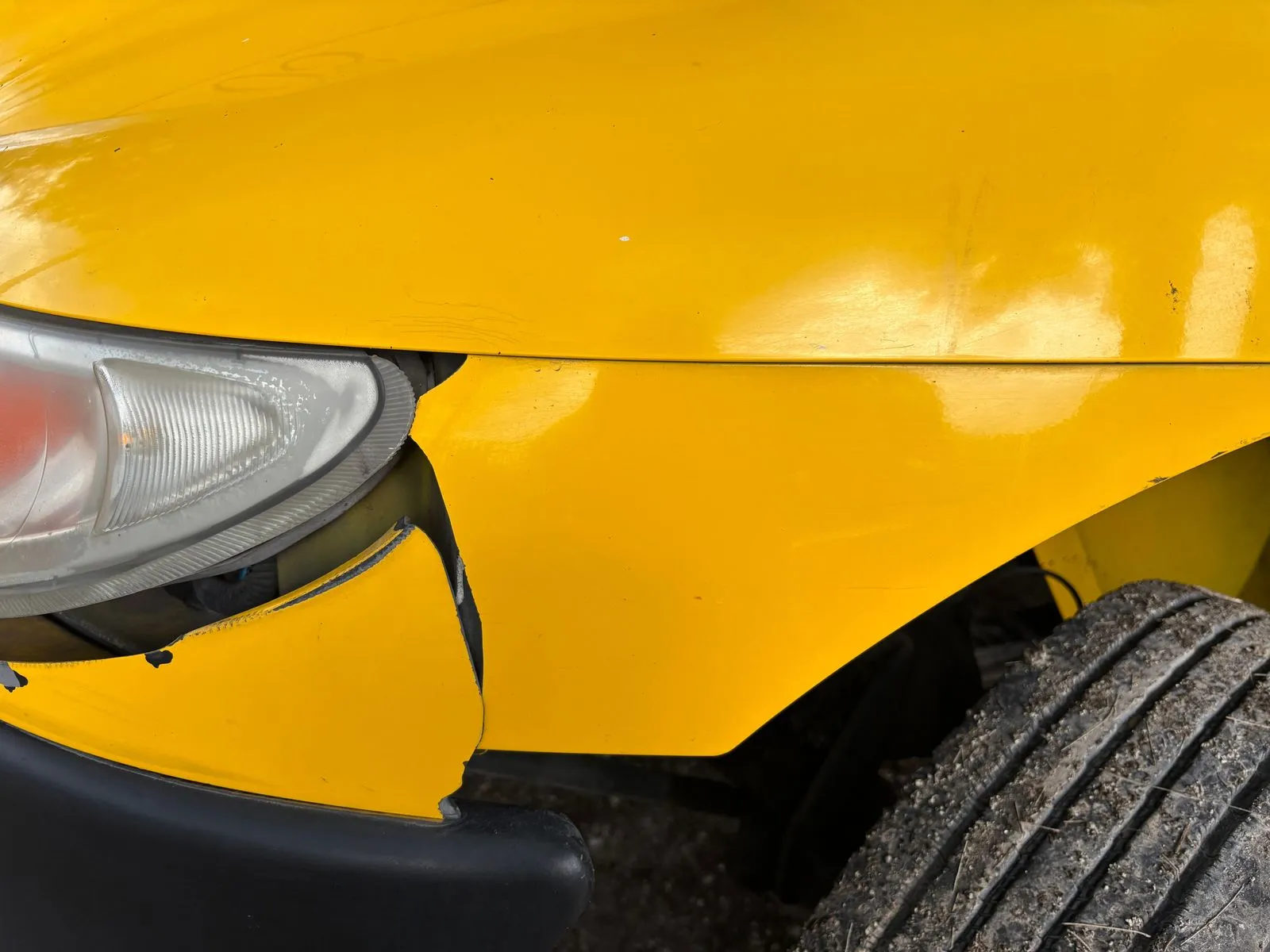
- Photograph everything: the damage up close and from a distance, the scene, other vehicles and their plates.
- Swap details: names, contact and insurance information of other drivers, plus any witnesses.
- Notify everyone in writing: the rental company, your insurer and, if you rely on it, your card's benefit administrator.
Reporting rules for drivers are set by each state. In California, for instance, the DMV requires an SR-1 report within 10 days if someone is injured or killed or property damage is over $1,000, in addition to any report to the police, CHP or your insurer. Check the rules where the crash happened.
Found damage you didn't cause, such as a dent after parking? Photograph it right away and report it to the rental company before you drive on. If someone hit the parked car and left, file a police report. A report records what happened while it's fresh and can help when you deal with the rental company.
CDW, LDW, your auto policy or your credit card: who pays for rental car damage
According to the FTC, rental companies usually offer coverage for a fee, but you may already be covered by your car or homeowner's insurance, your employer's insurance, a credit card or an auto club. Figure this out before you reach the counter. It's hard to read a policy with an agent waiting for your answer.
| Option | What it usually does | What to check |
|---|---|---|
| Rental company CDW or LDW | Waives your responsibility for damage to the car; may include loss of use, towing and admin fees | Exclusions such as reckless or impaired driving, and what your agreement lists |
| Your personal auto policy | May extend your collision and comprehensive coverage to a rental | Your deductible, and whether loss of use and admin fees are covered |
| Credit card benefit | Some cards cover rental damage when you pay with the card | You usually must decline the rental company's waiver; benefits are often secondary |
Read the fine print on each option. A rental company's waiver may exclude theft, tire damage or drivers who have taken drugs or alcohol, even over-the-counter cold medicine, the Florida Attorney General notes. Many cards offer a CDW when you pay for the rental with them, the FTC notes, but you have to decline the rental company's coverage to be eligible. Card benefits are usually secondary, according to the Insurance Information Institute, which suggests asking the issuer for its coverage details in writing.
Rental car damage claim after return: how to respond
A letter or email about damage can show up days or weeks after your trip. Don't pay right away. Respond in writing, keep copies and work through these steps:
- Ask for documentation: photos of the damage with dates, the repair estimate or invoice, and the check-in record from your return.
- Compare: match their photos against your pickup and return pictures and the paperwork.
- Dispute in writing: explain why you don't owe the charge and attach your photos and receipt.
- Bring in your coverage: if you might be liable, notify your insurer or card benefit administrator before you pay and follow their claim process.
- Escalate if needed: the FTC suggests reporting problems to the company's customer service, to the FTC at ReportFraud.ftc.gov and to your state attorney general.
If the company already charged your card, act fast. The Consumer Financial Protection Bureau says to call your card company right away and to send a written billing error notice within 60 calendar days after the charge appeared on your statement.
In California, the renter can also require the rental company to send the claim to their personal or business insurer once coverage has been confirmed, under the same Civil Code section 1939.07. None of this is legal advice. For a large claim, talk to your insurer, a consumer attorney or your local legal aid office.
Real photos at the rental counter: what TrustCamera shows
Ordinary photos have one weak spot: if the rental company says your pictures were taken later or edited, it becomes your word against theirs. That's the gap we're building TrustCamera for. You take photos and videos directly in the app, with no uploads from your gallery, and each capture gets a check code.
Send the codes to the rental location at pickup or return, or show them at the counter. The staff can then check them straight away for free at app.trustcamera.com, no account needed. They'll see that the file hasn't changed since capture, along with the capture time and approximate location (within about 10 km, roughly 6 miles, never the exact position). Videos run up to 20 seconds, so a full walk-around takes a few short clips.
Keep your own copies as well. A check code can't show whether a scene was staged or whether damage was kept out of frame, and the approximate location won't pin down the exact parking bay. Captures with a check code document the condition in a way others can check and can help as a record, but they don't decide a dispute. TrustCamera for Android and iOS isn't available yet; it's coming soon.
Frequently asked questions about rental car damage
What happens if you damage a rental car without insurance?
According to the FTC, if you didn't buy the rental company's collision damage waiver and your personal car insurance doesn't cover the rental, you're responsible for the damage, sometimes up to the car's full value. Depending on your agreement and state law, the bill can include more than the repair, such as towing or administrative fees. Ask for an itemized estimate before you pay anything.
Should I report rental car damage right away?
Yes. Tell the rental company as soon as you're safe, following the reporting steps in your agreement. Call 911 if anyone is hurt, and we'd also involve the police after a crash with another vehicle or a hit-and-run. Some states also require a separate report, such as California's SR-1. Reporting early puts your account on record before anyone else describes what happened.
What if the rental company claims damage after I returned the car?
Don't pay right away. Ask in writing for dated photos of the damage, the repair estimate or invoice and the check-in record, then compare them with your own pickup and return pictures. Dispute the claim in writing, involve your insurer if you're covered, and contact your state attorney general if the company won't budge.
Does my credit card cover rental car damage?
It might. The FTC says many cards offer collision coverage when you pay for the rental with the card, but only if you decline the rental company's waiver. Card benefits are usually secondary to your own insurance and differ by card, according to the Insurance Information Institute. Ask the issuer for the terms in writing before your trip.
How much does rental car damage cost?
There's no standard price. The amount depends on the repair, your coverage, your rental agreement and your state's rules. In California, a claim for physical damage has to be reasonably and rationally related to the actual loss and can't exceed the actual or estimated repair cost. Always ask for an itemized estimate or invoice.
What is a rental car damage report?
The term covers two documents. At pickup and return, it's the condition form or diagram where existing damage is marked, which you should check and photograph. After an incident, it's the report you file with the rental company describing what happened. Keep copies of both along with your own photos.
Is a video enough to document a rental car?
A walk-around video is a good overview, but small scratches are often hard to see in it. Add close-up photos of every damaged spot, a shot of the fuel gauge and odometer, and a photo of the paperwork with the damage noted. The video complements the agent's notes; it doesn't replace them.
Conclusion: two careful walk-arounds beat a dispute later
In our view, many fights over rental car damage start at a rushed pickup or an unattended return. If you document every mark before you drive off, get it noted on the agreement and return the car to an employee, you'll have what you need if a claim ever shows up.
If something does happen, report it right away and let the right coverage handle it. And if a bill arrives after your trip, answer in writing, ask for proof and use your card dispute rights and your state attorney general if you need them.
About the author

Co-founder & Marketing at TrustCamera
Yannick is a co-founder of TrustCamera and leads marketing and content. He holds a bachelor's and a master's degree in business and has worked in content marketing and SEO for years.