Documenting evidence
Package Arrived Damaged? What to Do and Who Pays
Package arrived damaged? What to do at the door, which photos to take and how to get a refund or replacement from the seller, the carrier or a marketplace.
If your package arrived damaged, photograph the box, the shipping label and the contents before you throw anything away, then contact the seller. The seller or marketplace is usually your fastest route to a replacement or refund, and a carrier claim with USPS, UPS or FedEx generally comes second. Keep every piece of packaging until the case is closed, because both sellers and carriers may ask for it.
The hard part comes later. A seller may doubt that the damage happened in transit, a carrier wants proof of value and insurance, and deadlines keep running while you wait. At TrustCamera we build a camera app that gives photos a check code at the moment of capture, so we think a lot about which pictures actually help in a dispute. This guide covers the steps, who is responsible, the claim rules at USPS, Amazon and eBay and a photo checklist, as of September 2026.
Package arrived damaged? What to do, step by step
A damaged delivery is mostly a documentation problem. Record the damage as early as you can, ideally before you open the box, keep everything that came in it and tell the seller quickly. You usually only deal with the carrier yourself if you bought from a private person, shipped the item yourself or the seller asks you to file.
- Check the box at delivery: If someone hands it to you, look at corners, tape and wet spots before you accept it.
- Photograph before opening: All sides of the box and the shipping label with the tracking number.
- Open it on camera: Take photos or a short video of the packing material and the item as you find them.
- Keep everything: Box, filler, label and the damaged item stay together until the case is resolved.
- Contact the seller: Use the order page or the seller's support, attach your photos and ask for a replacement or refund.
- Escalate if needed: Marketplace guarantee, carrier claim or, as a last step, a credit card dispute.
Photos only help if someone else can understand what they show and when they were taken. Our guide to photos as evidence explains what makes a photo convincing in general. The same approach works when you need to document rental car damage at pickup and return.
If the box is damaged at delivery: refuse it or document it
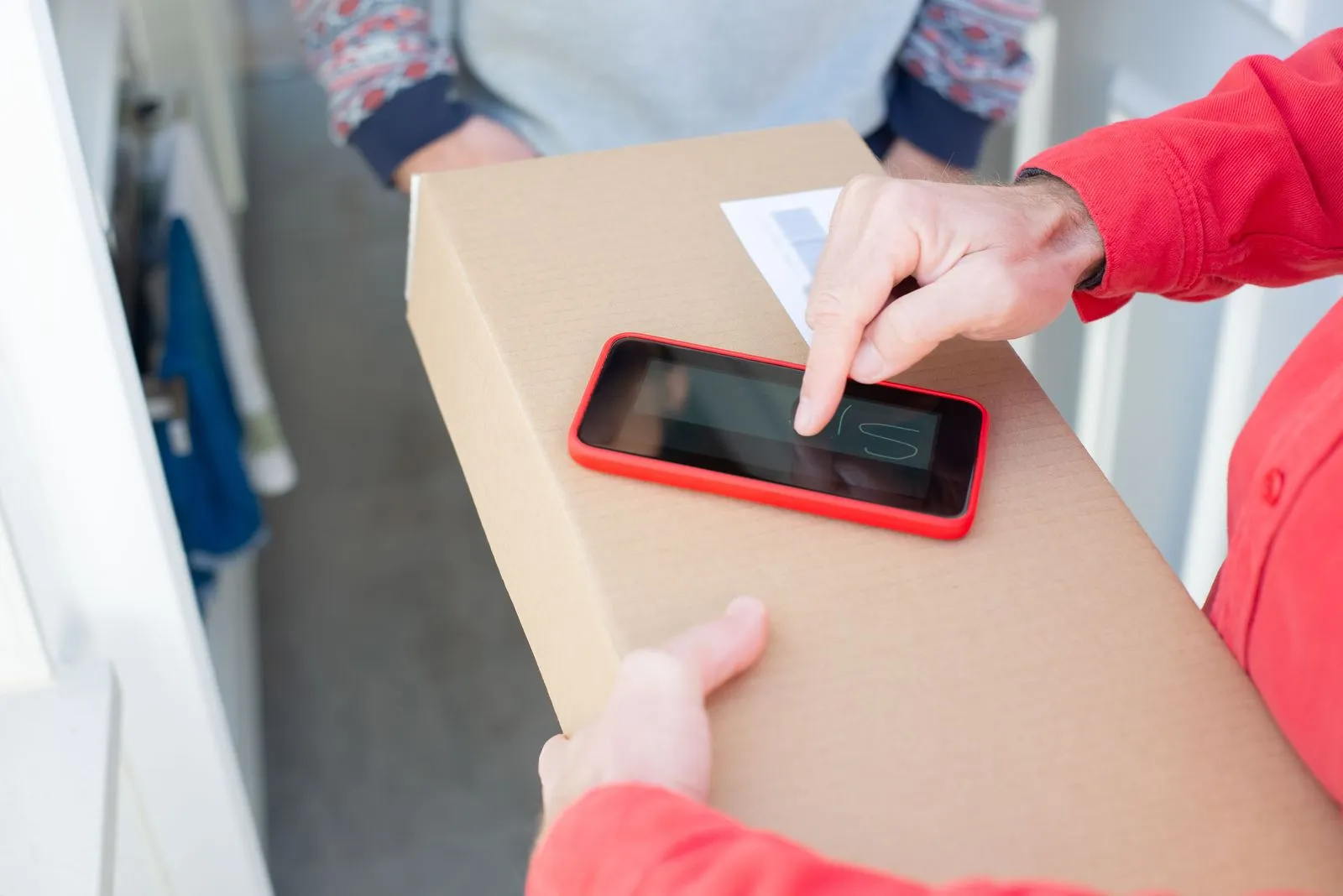
When a carrier hands you a visibly crushed or torn box, you have a choice. For mail, the USPS Domestic Mail Manual says the addressee may refuse to accept a mailpiece when it's offered for delivery. If you refuse an order from a store, tell the seller right away why it's coming back, so they can send a replacement or start a refund. Take a photo of the box and label first if you can.
Accepting the package is fine too, as long as you document it. Point out the damage to the driver if the delivery requires a signature, and photograph the box with its label before you open it. In our view, this is the most important moment for pictures, because once the box is open, its original condition is hard to prove.
Many packages, though, are left on the porch, in a mailroom or with a neighbor, so nobody sees the damage at delivery. In that case, photograph the box exactly where you found it, note the date and time and only then carry it inside. If the tracking page shows a delivery photo, save a screenshot of it as well.
Item arrived damaged inside the box: photos first, then the seller
Plenty of transit damage only shows up once you open the box: a cracked screen, a broken plate, a bent frame. Don't throw anything out. Photograph the open box with the filler as it is, then the item as a whole, then each damaged spot up close. Keep the box, the packing material, the label and the item until the problem is settled.
Then contact the seller through the order page, the seller's support form or email. Give the order number, the delivery date and the tracking number, describe the damage in two or three sentences and attach the photos. That gives you a written record of when you reported it. For electronics, also check whether the device still works, since some damage only shows once you switch it on.
Report it quickly even if nothing seems urgent. Sellers who want to recover their loss from the carrier are bound by the carrier's claim deadlines, and fresh photos are more convincing than a description from memory. If the seller asks you to keep the item for inspection or to bring it to a carrier location, do that before you repair or dispose of anything.
Who is responsible for a damaged package: the seller, the carrier or you?
Legally, who bears the loss when a package arrived damaged depends on the terms of the sale and on state law, so there's no single nationwide answer. In practice, your first contact is almost always the seller. In a typical online order, the seller chose the carrier, bought the shipping label and holds the receipt and insurance details a carrier asks for.
The USPS claim rules show why. According to USPS, either the sender or the recipient may file a claim for insured mail that is lost, arrived damaged or missing contents, but the person filing must have the original mailing receipt. USPS also notes that it may not legally pay compensation for uninsured lost or damaged articles. As the recipient, you'll usually need the seller's receipt and insurance details, which is one more reason to start with them.
Buying from a private person is different. With a peer-to-peer payment, there may be no retailer returns policy and no marketplace guarantee behind the sale. If you paid through a platform checkout, its buyer protection is your main lever. If you paid through PayPal's friends and family option, our guide to the PayPal friends and family scam explains why that protection is missing.
How to file a damaged package claim with USPS, UPS or FedEx
You file a carrier claim yourself mainly when you shipped the package, bought from a private seller who shipped with insurance, or the seller asks you to. According to USPS's claims page, you can file for damaged or missing contents immediately, but no later than 60 days after the mailing date. You need the tracking or label number, evidence of insurance and proof of value, such as a sales receipt or a printout of the online transaction.
Two USPS details matter for recipients. The outer packaging showing the sender and addressee and a label marking the item as insured counts as evidence of insurance, so don't throw the box away. For proof of damage, USPS says photos that clearly show the extent of the damage will help your case, and damage claims also need an estimate of repair costs from a reputable dealer.
USPS also tells you to save the original packaging and everything in the package until the claim is settled, and not to throw out damaged items even after you photograph them. You may be asked to take the entire package to a Post Office for inspection. If USPS denies a claim in full or in part, the decision letter lists the reasons, and you can appeal within 30 days of receiving the decision.
UPS and FedEx run their own claims processes with their own deadlines and document requirements. Check the carrier's claims page before you get rid of any packaging, and ask the seller who is supposed to file.
Item arrived damaged on Amazon, eBay or Vinted: use the platform first
On Amazon, you start from Your Orders: find the item, select "Return or replace items" and follow the prompts to pick a reason, as Amazon describes the return process. Amazon's help pages add that it may ask for pictures that clearly show the damage. A replacement may only ship after you send the original back, and returning it by the Return By Date keeps you from being charged for the replacement.
Items sold and fulfilled by a third-party seller fall under Amazon's A-to-z Guarantee. If you're not happy with the delivery or condition of such an item and can't resolve it with the seller, you can ask Amazon directly for a refund. Amazon's help pages set time limits for these claims, so don't wait long on a seller who doesn't respond.
The eBay Money Back Guarantee covers items that arrive broken, damaged or faulty, as long as you paid on eBay.com with an eligible payment method at checkout. Start a return request within 30 calendar days of the estimated or actual delivery date, or within the seller's return window if that's longer. The seller has 3 business days to respond.
eBay counts an item that arrives damaged as one that doesn't match the listing, so the seller is responsible for return shipping. When the seller never responds, you can ask eBay to step in, at the latest 21 business days after your request.
On Vinted, the window is much tighter. According to Vinted's Buyer Protection page, you press "I have an issue" within 2 days of the item being marked as delivered, or the payment is released to the seller. Our guide to Vinted scams covers the claim process and the photos Vinted asks for. For Facebook Marketplace, protection depends on how you paid, which our article on the safest way to pay on Facebook Marketplace explains.
Credit card dispute: when to contact your card issuer
If the seller won't help, your credit card can be a backstop. The FTC's guide to disputing charges says that if you have a problem with the quality of an item, you should contact the seller first, before you contact the issuer. For billing errors, which include charges for things you didn't accept or that weren't delivered as agreed, your written dispute must reach the issuer within 60 days after the first bill with the error was sent to you.
Whether a damaged delivery counts as a billing error or as a quality dispute depends on the case, so ask your issuer early how it will handle yours. The FTC describes this process for credit cards and other revolving credit. Debit cards and payment apps have their own rules, so check with your bank or app provider.
Use one route at a time. Amazon's A-to-z help page says you're not eligible for an A-to-z refund if you request a refund or chargeback from your payment provider. The eBay policy says it may close a Money Back Guarantee case if you file a chargeback for the same transaction. Whatever route you take, the photos, your messages with the seller and the order confirmation are what you'll be asked for.
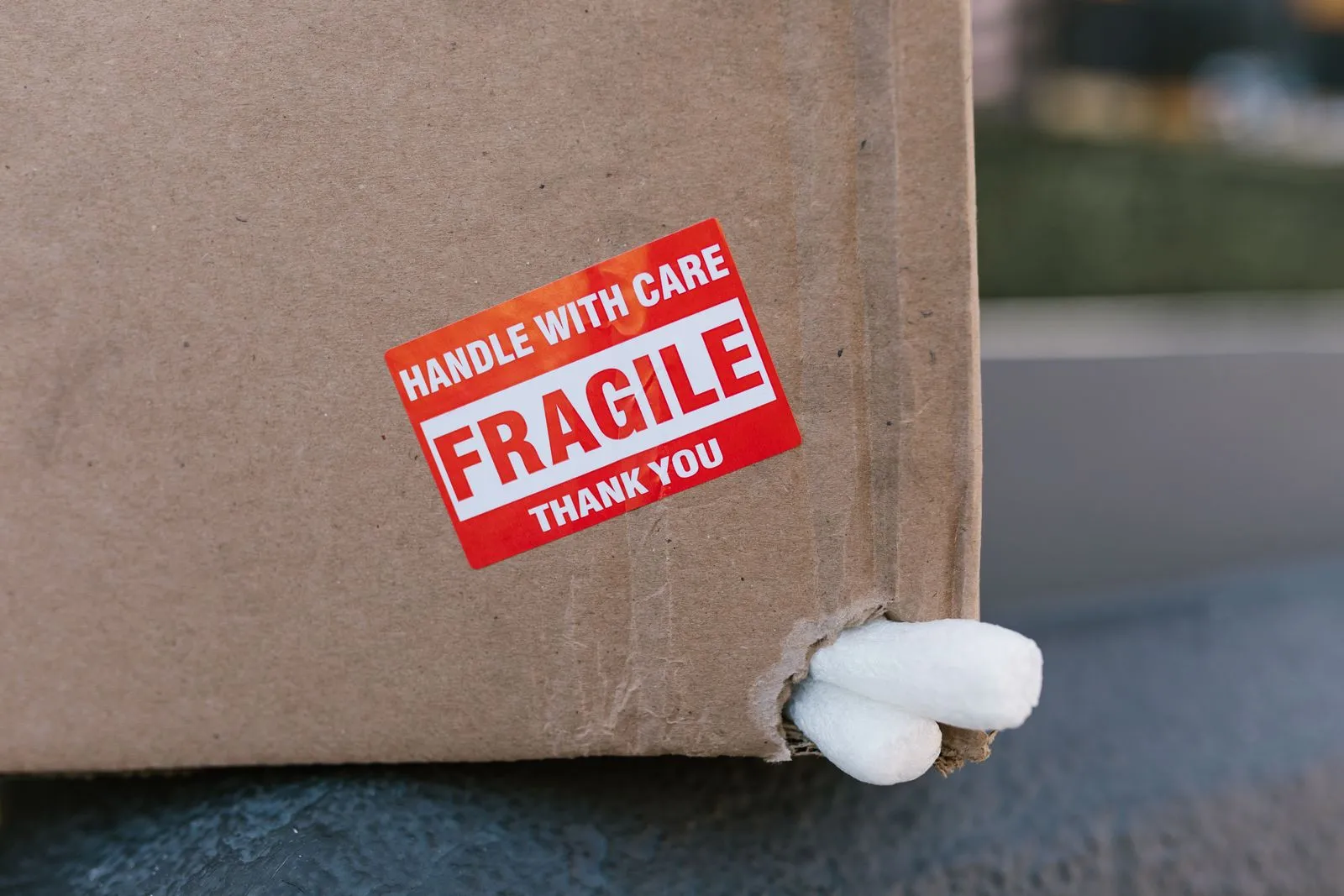
Photo checklist for a damaged package claim
When a package arrived damaged, sellers, marketplaces and carriers all want to see the same thing: what the package and the item looked like when they reached you. USPS, for example, says photos that clearly show the extent of the damage will help a claim. Take these shots in this order:
- The sealed box: every side, with each dent, tear and wet spot.
- The shipping label: sharp and readable, including the tracking number.
- The opening: ideally one continuous video until the contents are visible.
- Packing material: exactly as you found it, before you take anything out.
- The item: once as a whole, then each damaged spot up close, with an object for scale.
- Serial number and packing slip: so it's clear which item this is.
Shoot in daylight or good light and skip filters. Keep the original files unedited and send them at full quality, for example as email attachments. To add a date and time to your photos and understand what a timestamp does and doesn't prove, see our guide on how to timestamp photos.
Documenting a damaged package with photos anyone can check
Ordinary phone photos have one weakness in a dispute. A seller can claim they show a different package or were edited. The capture date is stored in the file's metadata, but it's easy to change, as our guide on how to see photo metadata shows.
We're building TrustCamera for exactly this kind of situation. You take photos and short videos directly in the app, with no uploads from your gallery. Each capture gets a check code. Send the codes to the seller along with your damage report, so they can check them straight away for free at app.trustcamera.com, no account needed. They'll see that the file hasn't changed since capture, the capture time and the approximate location (within about 10 km, roughly 6 miles, never the exact position).
The limits matter too. A capture with a check code doesn't show when or how the damage happened, and it can't show whether a scene was staged. Amazon, eBay and the carriers decide for themselves which evidence they accept, and their forms ask for photo uploads anyway. Save your own copies of every photo, too. The Android and iOS versions of TrustCamera aren't available yet and are coming soon.
Frequently asked questions about a package that arrived damaged
What do I do if my package is damaged?
Photograph the box, the label and the contents before throwing anything away, then contact the seller with your order number and photos. Keep all packaging until the case is closed. If you bought on Amazon or eBay, use their return or replacement process. A carrier claim usually comes second, and the sender is often better placed to file it because they hold the mailing receipt.
Who is responsible for a damaged package?
It depends on the terms of the sale and state law, so there's no single answer. In practice, start with the seller, who chose the carrier and holds the shipping receipt. USPS requires the original mailing receipt for a claim and may not pay for uninsured items, so the seller is usually better placed to recover the loss.
Can I refuse a damaged package?
For USPS mail, yes: the Domestic Mail Manual says the addressee may refuse a mailpiece when it's offered for delivery. If you refuse a store order, tell the seller right away so they can send a replacement or refund you. Many packages are left at the door without a signature, though, so you'll often only notice the damage later.
How long do I have to report a damaged package?
It depends on who you report to. USPS claims for damaged contents must be filed no later than 60 days after the mailing date. eBay return requests are due within 30 calendar days of delivery or within the seller's return window if longer. Vinted's window is much shorter, and UPS and FedEx set their own deadlines, so report as soon as you can.
Should I contact the seller or the carrier?
Start with the seller. They're the carrier's customer, bought the label and, if the shipment was insured, can file the claim. You contact the carrier yourself mainly when you shipped the package or bought from a private person who sent it insured. Ask the seller before you file, so two people don't open claims for the same package.
What if only the box is damaged and the item looks fine?
Photograph the box anyway and keep the packaging for a few days. Check the item closely and, for electronics, make sure it works, because some damage only shows up later. If everything is fine, you don't need to do anything else, but those photos will help if a problem appears after all.
Conclusion: photos first, then the seller
A package that arrived damaged is annoying, but usually fixable if you keep the order straight. Look at the box before you sign, photograph it before you open it and document the contents before anything goes in the trash. Then go to the seller or marketplace first, and to the carrier only if the seller asks or you shipped it yourself.
Deadlines differ by carrier and platform, so report quickly and keep the packaging until the case is closed. The better your photos show what arrived and when, the less room there is for an argument about whether the damage was really there.
About the author

Co-founder & Marketing at TrustCamera
Yannick is a co-founder of TrustCamera and leads marketing and content. He holds a bachelor's and a master's degree in business and has worked in content marketing and SEO for years.