Buying & selling online
Safest Way to Pay on Facebook Marketplace: Options Compared
Safest way to pay on Facebook Marketplace: cash, checkout, PayPal, Venmo or Zelle? What protects buyers and sellers, what it costs, and when to use each.
The safest way to pay on Facebook Marketplace is cash in person, handed over only after you've inspected the item in a busy public place. If the item has to be shipped, pay through Facebook's own checkout when the listing offers it, or use PayPal Goods and Services. With strangers, skip Zelle, Cash App, PayPal Friends and Family, wire transfers and gift cards, because that money is very hard to get back.
Payment is the moment a Marketplace deal either stays safe or turns into a loss, and scammers know it. At TrustCamera we build a camera app that gives photos a check code, so we think a lot about how strangers can trust each other when they buy and sell. Below, we compare the common payment methods for buyers and sellers, with fees and rules as the official help pages state them in September 2026.
The safest way to pay on Facebook Marketplace at a glance
The safest way to pay on Facebook Marketplace depends on how the item changes hands. With local pickup, cash after inspection protects both sides best. For shipped items, Facebook checkout with Purchase Protection or PayPal Goods and Services gives buyers a path to a refund. Zelle, Cash App and Friends and Family payments reach the other person within minutes and are hard to reverse.
| Payment method | Buyer protection | Seller protection | Fees | Main risk | Best for |
|---|---|---|---|---|---|
| Cash in person | You inspect before you pay | Money in hand | none | counterfeit bills, meeting strangers | local pickup |
| Facebook checkout | Purchase Protection on eligible orders | buyer pays before you ship | seller pays a selling fee on shipped orders | being talked out of checkout | shipped items |
| PayPal Goods and Services | PayPal Purchase Protection | Seller Protection on eligible sales | seller: 2.99% | fake PayPal emails | shipped items |
| PayPal Friends and Family | none | none | free from balance or bank | no way back after a scam | people you know |
| Venmo, tagged as a purchase | Purchase Protection on eligible payments | protection on eligible sales | seller: 2.99% | untagged payments aren't covered | shipped items |
| Zelle, Cash App | none | money arrives fast | depends on bank or app | usually can't be canceled | people you know |
The table covers the Facebook Marketplace payment methods people use most, but payment is only one layer of staying safe. For the scams themselves, from fake listings to fake payment emails, see our overview of Facebook Marketplace scams and how they work.
Cash in person: inspect first, then pay
With local pickup, cash is the safest way to pay on Facebook Marketplace, because you only pay once the item is in your hands. That means you can see whether the phone turns on, the bike shifts and the jacket is really the listed size. You don't need any purchase protection, because the item and the money change hands at the same moment.
The Federal Trade Commission's advice for sellers points the same way. According to the FTC, many sites recommend selling to a local buyer you can meet in person and only accepting cash. The agency also says not to accept a mobile payment from someone you don't know, and warns that scammers send fake payment notifications and hope you hand over the item before you notice.
A few habits make the handoff safer. For valuable items, meet in a busy public place in daylight or bring a friend, and ask your local police department whether it has a spot for online sale exchanges. Test electronics on the spot. As a seller, count the cash before the item goes and look closely at large bills. If you accept an app payment at pickup despite the FTC's advice, let the item go only once the money shows up in your own account, not on the buyer's screen.
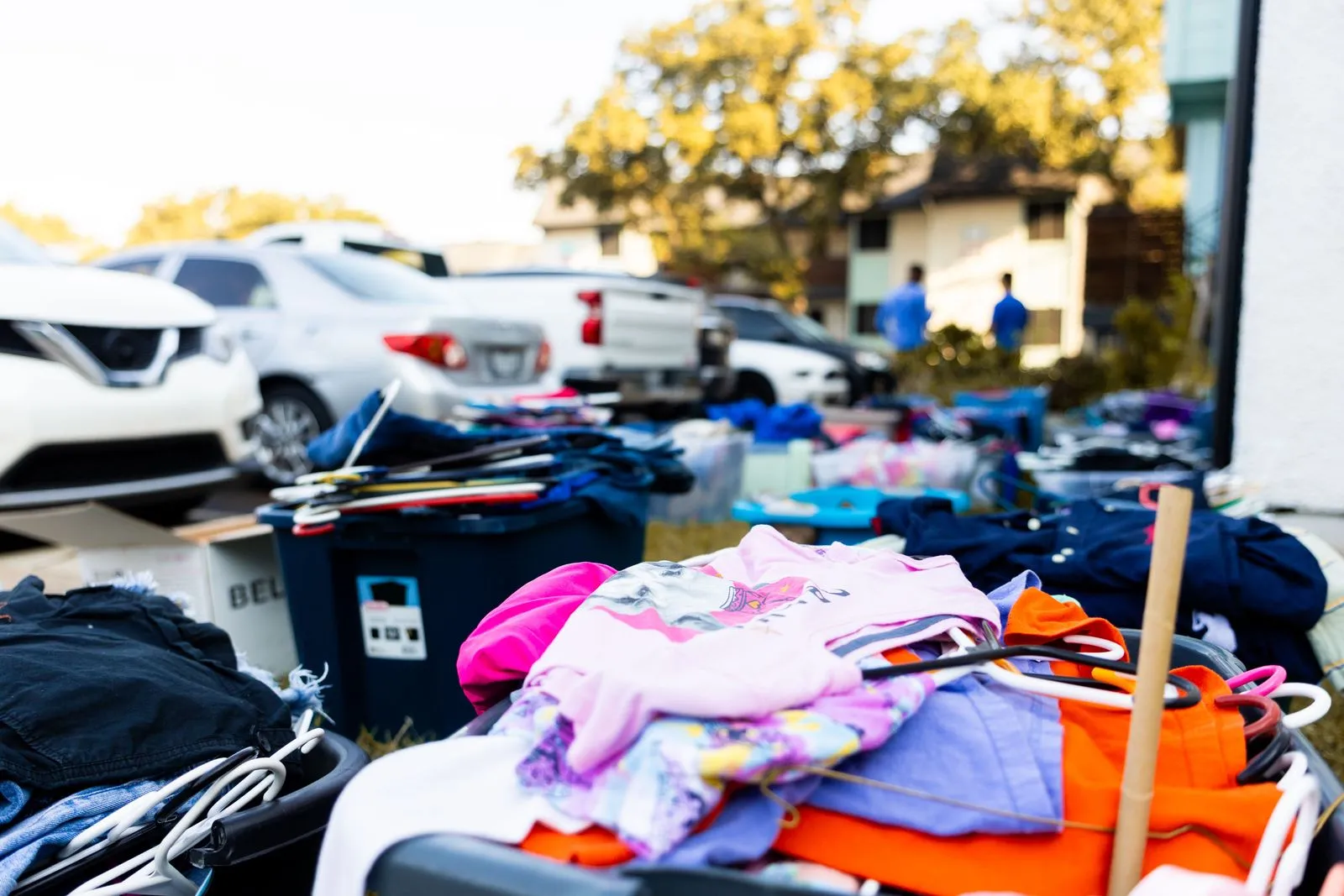
Facebook Marketplace purchase protection only covers checkout
Facebook does offer buyer protection, but only on one route. According to Meta's help center, many purchases made with shipping or checkout on Facebook Marketplace are covered by its Purchase Protection policies. Coverage is free and applies automatically to eligible orders. Purchases through third-party sites, local pickups, Messenger transactions and deals arranged through other messaging services don't qualify.
Under Purchase Protection, you can request a refund if your order never arrived, arrived damaged or different from the listing, the seller didn't follow their stated refund policy, the purchase was unauthorized or the seller was removed from Facebook. When reviewing a claim, Facebook may look at order details, tracking, the listing description, your messages with the seller and supporting documents. If Facebook approves a claim, you get the full purchase price and any shipping costs back.
So is Facebook Marketplace payment safe? Checkout itself is the protected route, and for shipped items it's usually the safest way to pay on Facebook Marketplace. The risk comes from being talked out of it, for example by a seller who offers a discount if you pay by app instead. Not every listing offers shipping with checkout. If you can't buy through checkout, Purchase Protection simply doesn't apply, however the seller describes the deal.
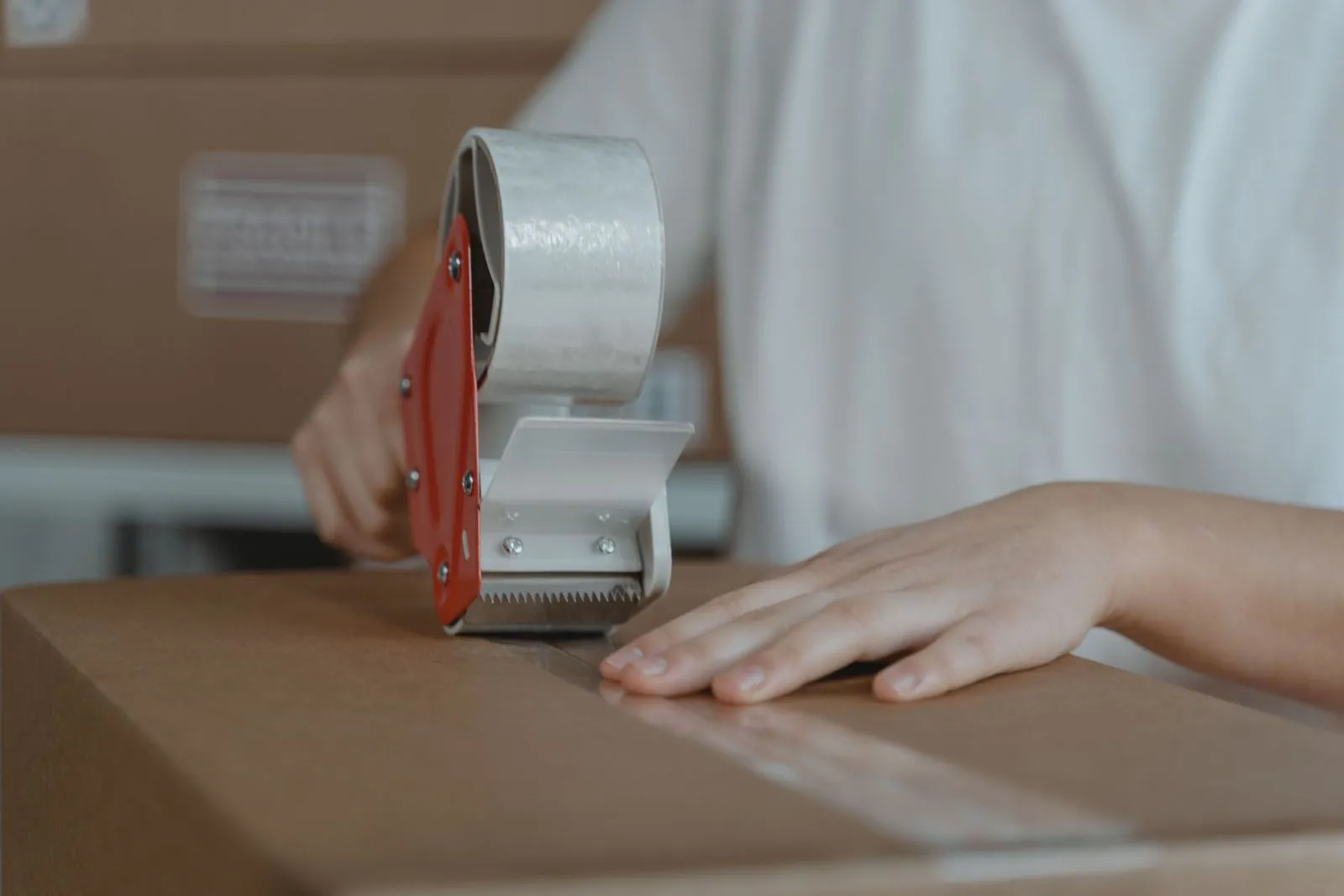
PayPal: protection depends on the payment type
Outside Facebook checkout, PayPal is the next safest way to pay on Facebook Marketplace for a shipped item, but only if you choose Goods and Services. PayPal's Purchase Protection terms exclude personal payments, including those sent with Friends and Family. You have 180 days from the payment to open an Item Not Received dispute. For an item that is significantly not as described, the window is 30 days from delivery or 180 days from payment, whichever comes first.
Two limits matter on Marketplace. If you collect an item in person and pay with PayPal, you can't file an Item Not Received claim, unless you paid on the spot with PayPal's Goods and Services QR code. A Significantly Not as Described claim may still be possible. Vehicles such as cars, motorcycles and boats are excluded, while bicycles aren't part of that exclusion. The Goods and Services fee is charged to the seller, so a seller who asks for Friends and Family saves that fee while you lose your protection.
With strangers, don't use Friends and Family, not even for small amounts. Our guide to the PayPal friends and family scam explains why scammers push for it. As a seller, ship only once the payment appears in your PayPal account itself, never because of an email or a screenshot. Fake payment emails are a classic trick covered in our guide to Facebook Marketplace seller scams.
Venmo: covered only when tagged as a purchase
Venmo can protect a Marketplace purchase, but not by default. Its rules say coverage is available when you tell Venmo you're paying for a good or service before you send the payment, or when you pay a business profile. It can help if an item never arrives, is damaged in shipping, is missing parts or isn't what you bought. Venmo may then reimburse the full payment plus original shipping costs.
According to Venmo's Purchase Protection page, there's no fee for the buyer, while the seller pays a transaction fee of 2.99% on payments tagged as purchases. Ordinary personal payments that aren't tagged are not eligible, and neither are vehicles, real estate or gambling. If a seller asks you to send an untagged payment to avoid the fee, you lose your protection, just like with PayPal Friends and Family.
Zelle and Cash App: fast, final and best kept for people you know
Zelle and Cash App feel convenient because the money usually arrives within minutes or instantly. That speed is exactly the problem with strangers, and it's why neither app is the safest way to pay on Facebook Marketplace when you don't know the seller. The Wells Fargo Zelle FAQ states that neither the bank nor Zelle offers purchase protection for Zelle payments, for example if an item never arrives or isn't as described. Once you send money to someone already enrolled with Zelle, you can't cancel the payment.
Cash App gives similar advice. Its scam help page tells users to only send payments to people they trust, because Cash App to Cash App payments are instant and usually can't be canceled. It also warns never to pay someone you don't trust for something promised in the future. In our view, a deposit so the seller "holds" an item for you is exactly that kind of payment.
For sellers, the FTC advises against accepting mobile payments from people you don't know. If you make an exception at a local pickup, let the item go only once the money is in your own account. Don't accept these apps for shipped items from strangers, and don't trust payment emails that claim money is "pending" until you do something first. If you've already sent money to a scammer, our guide on what to do if you got scammed on Facebook Marketplace walks you through the next steps.
Credit cards and the payment methods to avoid entirely
Credit cards add a second layer of protection. The FTC's guide to buying from an online marketplace recommends safer payment methods like credit cards, which have legal protections if something goes wrong, or a secure online payment system that protects buyers. If a card payment goes wrong, the FTC says you can file a dispute with your card company. On Marketplace, that means paying by card inside Facebook checkout or through PayPal Goods and Services.
The same FTC guide lists what to avoid. Don't pay with wire transfers, gift cards, cash reload cards or cryptocurrency: paying this way is like sending cash, and once it's gone you generally can't get it back. Steer clear of anyone who wants you to pay outside the marketplace's payment system, too, because you'd lose any protection the site offers. Whether a card dispute also works on a payment app transfer depends on your card issuer, so ask before you rely on it.
Proof of condition: photos that help in a dispute
Even the safest way to pay on Facebook Marketplace can end in a dispute, and then it often comes down to what each side can show. As a buyer, check the listing photos before you pay: if a reverse image search finds them in other listings or online stores, they probably aren't the seller's own.
A photo of the item next to a note with the seller's name and today's date proves little now, because AI image generators can render legible text. A short live video call where the seller shows the item, or seeing it in person, is a much stronger check.
As a seller, protect yourself with photos and a short video of the item's condition and of the packing before you ship. That's the use case we're building TrustCamera for.
You capture photos, or videos up to 20 seconds, right in the app, which doesn't accept gallery uploads. Each capture gets a check code. Send it to the buyer right when you ship, so they can check it for free in their browser straight away, no account needed. They'll see that the file hasn't changed since capture, when it was taken and roughly where.
Such proof can't show whether a scene was staged, and it doesn't replace purchase protection or a careful look at the item. It does help document what the item looked like at the moment of capture. The app's versions for Android and iOS are coming soon.
Which payment to use: a safe way to get paid and to pay
Put together, the safest way to pay on Facebook Marketplace comes down to four situations:
You're buying with local pickup: Pay cash after you've inspected the item. An app payment on the spot is fine too, because you already have the item in hand.
You're buying a shipped item: Use Facebook checkout if the listing offers it, otherwise PayPal Goods and Services or a Venmo payment tagged as a purchase. If the seller insists on Zelle, Cash App, Friends and Family or a gift card, walk away.
You're selling with local pickup: Cash is the safe way to get paid on Facebook Marketplace. Count it before the handoff. If you accept an app payment anyway, wait until it shows in your own account.
You're selling a shipped item: Sell through checkout or accept PayPal Goods and Services, and ship only after the payment appears in your account. Record the item's condition and the packing before the box goes out.
Frequently asked questions about the safest way to pay on Facebook Marketplace
What is the safest way to pay someone on Facebook Marketplace?
At a local pickup, cash in person after you've inspected the item is safest, because you only pay once you have it. For shipped items, use Facebook checkout when the listing offers it, since eligible orders get Purchase Protection. PayPal Goods and Services is the next best option. Avoid Zelle, Cash App and PayPal Friends and Family with strangers.
Is Facebook Marketplace payment safe?
Paying through Facebook checkout is the protected route, because eligible orders are covered by Purchase Protection at no extra cost. The risk starts when you pay outside it: local pickups, Messenger transactions and deals paid outside checkout don't qualify. If a seller pushes you away from checkout with a discount or an excuse, treat that as a warning sign.
What is the safest way to get paid as a seller?
At a local pickup, cash in hand before the item leaves is the safest option, and the FTC notes that many sites recommend exactly that. For shipped items, get paid through Facebook checkout or PayPal Goods and Services, and ship only when the money shows in your own account. Never ship because of an email or a screenshot.
Does Facebook Marketplace protect local pickup purchases?
No. According to Meta's help center, local pickups don't qualify for Purchase Protection, and neither do Messenger transactions or deals arranged through other messaging services. For pickup, your protection is the inspection itself: test the item, then pay. Paying before you've seen the item removes that protection completely.
Should I use Zelle on Facebook Marketplace?
Only with people you know and trust. Zelle doesn't offer purchase protection, so if the item never arrives or isn't as described, there's no built-in way to get your money back. Once the recipient is enrolled, the payment can't be canceled. For a local pickup, it can work if you pay after inspecting the item.
Should I pay a deposit to hold an item?
Not to a stranger. A deposit sent by app for an item you haven't seen is money you usually can't recover if the seller disappears. Cash App explicitly warns against paying someone you don't trust for something promised in the future. If the seller won't hold the item without a deposit, let it go.
Is it safe to pay with a credit card on Facebook Marketplace?
Yes, when the card payment runs through Facebook checkout or PayPal Goods and Services. The FTC points out that credit cards come with legal protections, and you can file a dispute with your card company if something goes wrong. Card-funded payments through person-to-person apps may not get the same treatment, so check with your card issuer.
Conclusion: the safest way to pay on Facebook Marketplace depends on the handoff
At a local pickup, cash after inspection is hard to beat, for buyers and sellers alike. For shipped items, Facebook checkout comes first and PayPal Goods and Services second, with a purchase-tagged Venmo payment as another protected option. Zelle, Cash App and Friends and Family are fine between people who know each other, but with strangers they leave you no way back. Wire transfers and gift cards don't belong in a Marketplace deal at all.
In our view, the real danger is rarely the payment method itself. It's the attempt to pull you off the protected route: a discount for paying by app, a deposit to hold an item or a screenshot presented as proof of payment. Stay in checkout or Goods and Services, inspect before you pay, and document what you ship.
About the author

Co-founder & Marketing at TrustCamera
Yannick is a co-founder of TrustCamera and leads marketing and content. He holds a bachelor's and a master's degree in business and has worked in content marketing and SEO for years.