Documenting evidence
Security Deposit Deductions: What's Allowed, How to Dispute
Security deposit deductions explained: what landlords may charge, state deadlines for itemized statements, and how to dispute charges that look unfair.
Landlords can generally make security deposit deductions for unpaid rent and for repairing damage beyond normal wear and tear, and some states also allow cleaning to get the unit back to its move-in condition. As a rule, they can't charge you for ordinary wear and tear or for damage that was there before you moved in. Deadlines, paperwork and penalties are set by state law, so check your state's rules before you accept or dispute a charge.
Many deposit disputes come down to facts rather than law. Was that carpet stain there on day one? Is a faded wall wear and tear or damage? At TrustCamera we build a camera app for photos anyone can check, so we spend a lot of time on how to document a rental's condition in a way both sides can check. This guide uses California, Florida and New York as examples, based on their statutes and official guides as of September 2026.
Security deposit deductions at a glance
A landlord may keep part of your deposit to cover rent you owe and the reasonable cost of fixing damage you or your guests caused. What counts as damage, what paperwork the landlord must send and how fast the rest must come back differ from state to state. Wear and tear from normal living generally isn't your cost.
California's Civil Code Section 1950.5 spells out allowed charges in detail, so we use it as the example here. Other states word their rules differently, and the details can change the outcome.
| Charge | Allowed from the deposit under California law? |
|---|---|
| Unpaid rent | Yes |
| Repairing damage caused by you or your guests, beyond ordinary wear and tear | Yes, limited to a reasonable amount |
| Cleaning to bring the unit back to its move-in level of cleanliness | Yes |
| Ordinary wear and tear, or its cumulative effects | No |
| Damage or defects that existed before your tenancy | No |
| Professional carpet cleaning or other professional cleaning | Only if reasonably necessary to restore the move-in condition |
| Restoring or replacing furniture and other items | Only if the lease allows it, excluding wear and tear |
| A deposit labeled "nonrefundable" | A lease may not contain such a clause |
New York's attorney general describes the same two core categories: unpaid rent and the reasonable cost of repairs beyond normal wear and tear. One more check comes before all of this. The FTC advises looking at a rental before you sign or pay, in person if you can, and notes that rental scammers generally won't meet you in person. In our view, pay a deposit only after an in-person viewing and a signed lease with the real owner or their agent. Our guide to rental scams shows the warning signs.
What can be deducted from a security deposit?
The key line runs between damage and ordinary wear and tear. California's statute says a landlord can't claim anything for normal wear and tear, whether it happened before or during your tenancy, or for the cumulative effects of wear and tear over several tenancies. Charges for work and materials are limited to a reasonable amount needed to restore the unit to its move-in condition, again excluding wear and tear.
What the statute doesn't do is list examples. Whether a few nail holes, sun-faded paint or a hallway carpet worn thin counts as wear and tear is decided case by case, and in a dispute a judge decides. Treat the long lists you find online as orientation, not as law. USA.gov's tenant rights page points you to the state agency that handles tenant rights, which may link to your attorney general, housing agency or state tenant handbook.
Cleaning is a frequent sticking point. In California, the landlord can only deduct what it takes to bring the unit back to the level of cleanliness it had when you moved in. Professional carpet cleaning or other professional cleaning services can't be charged unless they're reasonably necessary to restore that condition. That's why a record of how clean the place was on day one matters as much as how you left it.
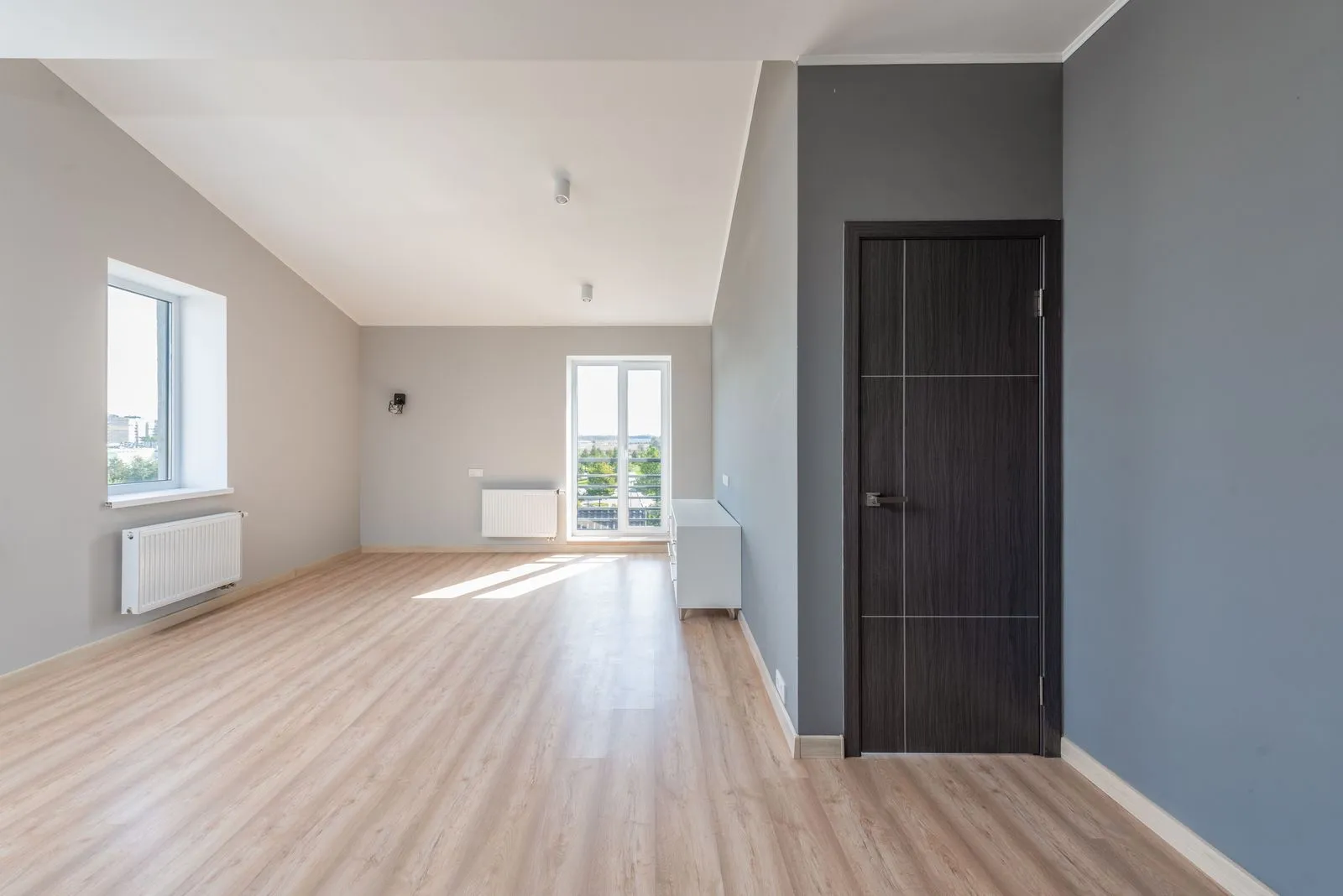
Damage that was already there isn't yours to pay for, but after a year or more you need to be able to show it. In our view, a move-in report signed by both sides, plus dated photos, is the most practical way to do that. Our guide to the move-in inspection covers what to record and how to handle the walk-through.
Deadlines and itemized statements in California, Florida and New York
Each state sets its own clock and its own paperwork rules for security deposit deductions. These three examples show how different they can be. If you live somewhere else, look up your own state's statute or tenant guide instead of assuming any of these deadlines apply to you.
California: 21 days, receipts and photos
Under Section 1950.5, the landlord must send an itemized statement and return the rest of the deposit no later than 21 calendar days after you move out. If deductions for repairs and cleaning add up to more than $125, copies of bills, invoices or receipts have to come with it, unless you signed a waiver near the end of the tenancy. When the landlord's own staff did the work, the statement must describe it, including the time spent and the hourly rate.
Even below $125 or after a waiver, you can request the documents within 14 days of receiving the statement, and the landlord then has 14 days to provide them.
California also requires photos. Since April 1, 2025, landlords have to photograph the unit after you return it but before any repairs or cleaning they plan to deduct for, and again after that work is done. For tenancies that began on or after July 1, 2025, they must photograph the unit at move-in as well. When they deduct for repairs or cleaning, the photos go out with the itemized statement.
You can also ask for an initial inspection up to two weeks before you move out. The landlord then gives you a written list of the repairs or cleaning they plan to deduct for, and you get the chance to fix those problems before you hand back the keys.
Florida: a notice by certified mail and 15 days to object
Florida works differently. Under Florida Statutes Section 83.49, a landlord who doesn't plan to claim anything must return the deposit within 15 days after the lease ends. To make a claim, the landlord has 30 days to send written notice by certified mail, or by email under the conditions the statute sets, with the amount and the reason. If the landlord misses that window, they lose the right to deduct from the deposit, though they can still sue for damages after returning it.
You then have 15 days after receiving the notice to object in writing. If you don't, the landlord may deduct the claim and must send you the balance within 30 days of the notice. Missing your deadline doesn't waive your right to sue separately, but objecting on time is the simpler route.
Your own notice matters too. The deposit disclosure that Florida landlords with five or more units must give tells you to leave your new address when you move out.
Moving out early, or renting month to month or on another periodic basis? Then the statute asks for at least 7 days' written notice by certified mail or personal delivery, with an address where you can be reached, unless your written lease says otherwise. Without it, the landlord no longer has to send the 30-day notice of a claim, though you keep your right to the deposit.
New York: 14 days or the full deposit
In New York, the attorney general's Residential Tenants' Rights Guide says that for units that aren't rent stabilized or rent controlled, the landlord must return the deposit within 14 days of move-out. Deductions need an itemized receipt within those 14 days. Without it, the landlord must return the entire deposit, whether there's damage or not. You can ask for an inspection before you move out and be present for it. The deposit itself is capped at one month's rent.
How to dispute security deposit deductions, step by step
If the statement arrives and some charges look wrong, work through them calmly and in writing. Working in this order also helps you meet the deadlines some states set:
- Check the statement: Compare every charge with your lease, your state's rules and your move-in report. Mark anything that looks like wear and tear, old damage or an unexplained amount.
- Gather your evidence: Collect move-in and move-out photos and videos, the signed inspection report, receipts for cleaning you paid for and your messages with the landlord.
- Ask for missing documents: If receipts or photos are missing, request them in writing. In California, do that within 14 days of receiving the statement.
- Write a dispute letter: Name each deduction you contest, explain why, attach copies of your evidence and ask for payment by a specific date. In Florida, send your written objection within 15 days of receiving the notice.
- Keep proof you sent it: Use certified mail or another method that shows delivery, and keep copies of everything.
Stay factual and polite. A letter doesn't guarantee a refund, but it gives the landlord a clear chance to correct mistakes. If the dispute goes further, it also shows a judge exactly what you asked for and when. The more specific your letter is about each charge, the easier it is for anyone to check.
Small claims court, your attorney general and legal aid
If the landlord won't budge, small claims court is built for smaller money disputes like this one. California's deposit law says a tenant can bring the case in small claims court if the amount is within the court's limit, which is $12,500 for individuals. When a landlord keeps a deposit in bad faith, a California court can add statutory damages of up to twice the deposit on top of actual damages. In any court case under this law, the landlord has to prove that the amounts claimed are reasonable.
In Florida, the winner of a court case over a deposit is entitled to court costs plus a reasonable attorney's fee under Section 83.49. New York's attorney general accepts rent security complaints and says its office may be able to help you get the deposit back. To find your own attorney general's office and see whether it handles such complaints, use USA.gov's directory of state attorneys general.
For advice on your specific case, a tenant union, a legal aid office or a landlord-tenant attorney can help. USA.gov's tenant rights page also points to ways of finding affordable legal aid. This guide is general information, not legal advice.
A different situation applies if the "landlord" disappeared with your deposit before you ever moved in. That's likely fraud, not a deposit dispute. Our guide on how to report a rental scam walks you through the next steps.

Move-in and move-out photos both sides can check
In a deposit dispute, what you can show beats what you remember. On move-in and move-out day, photograph every room: floors, walls, windows, the bathroom and the kitchen. Add close-ups of existing damage with something in the frame for scale. A short video walk-through shows how rooms connect better than single shots. California landlords now have to take their own photos, and yours are your side of the record.
Ordinary phone photos have one weakness. The date and location in their metadata can be changed in seconds, as our guide on how to see photo metadata explains. If a landlord claims your pictures were taken later, it can quickly turn into your word against theirs. Our guide to photos as evidence covers how to take and store pictures that still hold up in a dispute, including in small claims court.
That's the problem we're working on at TrustCamera. You take photos and videos directly in the app, and each capture gets a check code. Hand the codes to your landlord or property manager right at the walk-through, so they can check them for free in the browser straight away, without an account. They'll see that the file hasn't changed since capture, when it was taken and roughly where, to within about 10 km (around 6 miles) and never the exact position.
Keep your own copies of the photos too. A capture with a check code documents condition in a way others can check, and it can help as a record. It doesn't decide the dispute, and it can't show whether something was staged or kept out of frame. The app isn't out yet; it's coming soon for Android and iOS.
Frequently asked questions about security deposit deductions
What can a landlord deduct from a security deposit?
In general, unpaid rent and the reasonable cost of repairing damage you or your guests caused beyond normal wear and tear. California also allows cleaning needed to return the unit to its move-in condition and, if the lease says so, replacing items like furniture. The exact list depends on your state's law.
Can a landlord charge for carpet cleaning?
It depends on the state. In California, a landlord can't charge for professional carpet cleaning or other professional cleaning services unless it's reasonably necessary to return the unit to its move-in condition, excluding normal wear and tear. Check your lease and your state's rules, and compare your move-in and move-out photos of the carpet.
How long does a landlord have to return a security deposit?
It varies by state. California allows 21 calendar days after move-out, and New York 14 days for units that aren't rent regulated. In Florida, the landlord has 15 days if there's no claim, or 30 days to send a written notice of a claim. Look up your own state's statute before you start counting days.
How do I dispute security deposit deductions?
Compare each charge with your lease, your move-in report and your photos. Then send the landlord a written dispute that lists the charges you contest and why, attach your evidence and ask for payment by a set date. If that fails, contact your state attorney general, a legal aid office or small claims court.
What if my landlord never sent an itemized statement?
That can work in your favor, depending on your state. In New York, a landlord who doesn't provide an itemized receipt within 14 days must return the entire deposit. In California, a landlord who fails the statement rules in bad faith isn't entitled to keep any of it. In Florida, a landlord who misses the 30-day notice loses the right to deduct but may still sue, unless you moved out without a notice the statute required from you. Check your state's rules and ask for the statement in writing.
Is normal wear and tear ever deductible?
Not in California or New York, the two examples here that address it directly. California's law bars claims for ordinary wear and tear or its cumulative effects, and New York's attorney general limits repair charges to damage beyond normal wear and tear. Where wear and tear ends and damage begins is decided case by case, which is why photos from both move-in and move-out matter.
Can I take my landlord to small claims court over a deposit?
Often, yes. California's deposit law explicitly allows small claims cases within the court's limit, which is $12,500 for individuals, and a court can add up to twice the deposit for bad-faith retention. Limits, fees and procedures differ by state, so check your local court's website before you file.
Conclusion: fair security deposit deductions start on move-in day
Landlords may deduct unpaid rent and the reasonable cost of fixing damage beyond normal wear and tear, and in some states cleaning back to the move-in standard. Deadlines and paperwork rules are state law: 21 days with receipts and photos in California, a notice and objection process in Florida, 14 days in New York. Wherever you rent, the statute or your attorney general's guide is the place to check.
Many disputes come down to evidence. A signed move-in report, photos of every room at both ends of the lease and a clear written dispute letter will get you further than any argument. If the landlord still won't pay, small claims court and legal aid are there for exactly this kind of case.
About the author

Co-founder & Marketing at TrustCamera
Yannick is a co-founder of TrustCamera and leads marketing and content. He holds a bachelor's and a master's degree in business and has worked in content marketing and SEO for years.