Renting & housing
Rental Scams: How They Work and How to Spot a Fake Listing
Rental scams follow a pattern: a landlord who can't meet, pressure to pay first and early requests for your SSN. How to spot them and vet any listing.
Most rental scams follow a simple pattern: rent that's well below the going rate, a landlord who can't show you the place, and pressure to pay or hand over your Social Security number before you've seen it. Don't send money or sensitive details until you've toured the home and verified who owns or manages it, and don't pay a deposit or rent before you've signed a lease. Those two habits stop most fake listings cold.
The FTC describes two main tactics: scammers hijack real listings and swap in their own contact details, or they advertise homes that aren't for rent at all. Either way, they're after an application fee, a deposit or rent, or the personal information on your application.
At TrustCamera we build a camera app that gives photos a check code at the moment they're taken, so we spend a lot of time on stolen and edited listing photos. This guide covers the red flags, how the common schemes work, a checklist for vetting any listing and links to our in-depth guides.
How to spot rental scams: the red flags at a glance
No single detail proves a listing is fake. What gives rental scams away is a combination of signs: rent far below similar homes nearby, an owner who can't meet, and a rush to decide. The clearest one is a request for money or personal documents before you've been inside or signed anything.
- Too cheap: The rent is far below similar places in the neighborhood, or the amenities seem too good for the price.
- No showing: The owner is traveling, overseas or too busy to meet you at the property.
- Pay first: You're asked for an application fee before a tour, or a deposit or first month's rent before a lease.
- Odd payment methods: Wire transfer, gift cards or cryptocurrency to someone you've never met.
- Early SSN request: Your Social Security number, a photo of your driver's license, pay stubs or credit score screenshots before you've seen the place.
- Off the platform fast: The contact wants to move to email, text or WhatsApp right away.
- Pressure: Other applicants are supposedly lined up, so you have to commit today.
The FTC, Craigslist and Meta describe these patterns in their own warnings, which we link below. One sign on its own isn't proof, since legitimate landlords sometimes live far away. A demand for money before you've seen the home, or for a deposit before you've signed a lease, is reason enough to walk away, though. According to the FTC, anyone who insists you can only pay by wire transfer, gift card or cryptocurrency is running a scam.
How rental scams work: hijacked listings and homes that don't exist
The first tactic starts with a real listing. Scammers copy the photos, description or virtual tour of a genuine rental, replace the agent's contact details with their own and post the ad on another site, the FTC explains. When you call or email about the home, you reach the scammer. Some even set you up with a self-guided tour by copying listings from landlords who use self-tour services, so walking through the property doesn't prove you're dealing with the owner.
The second tactic advertises a place that isn't for rent or doesn't exist. These ads often promise surprisingly low rent or great amenities. When you ask to see the home, the fake owner claims to be out of the country or has another excuse, then pushes you to decide fast. Payment is supposed to go by wire transfer, gift card or cryptocurrency, and once it's sent, you probably can't get it back.
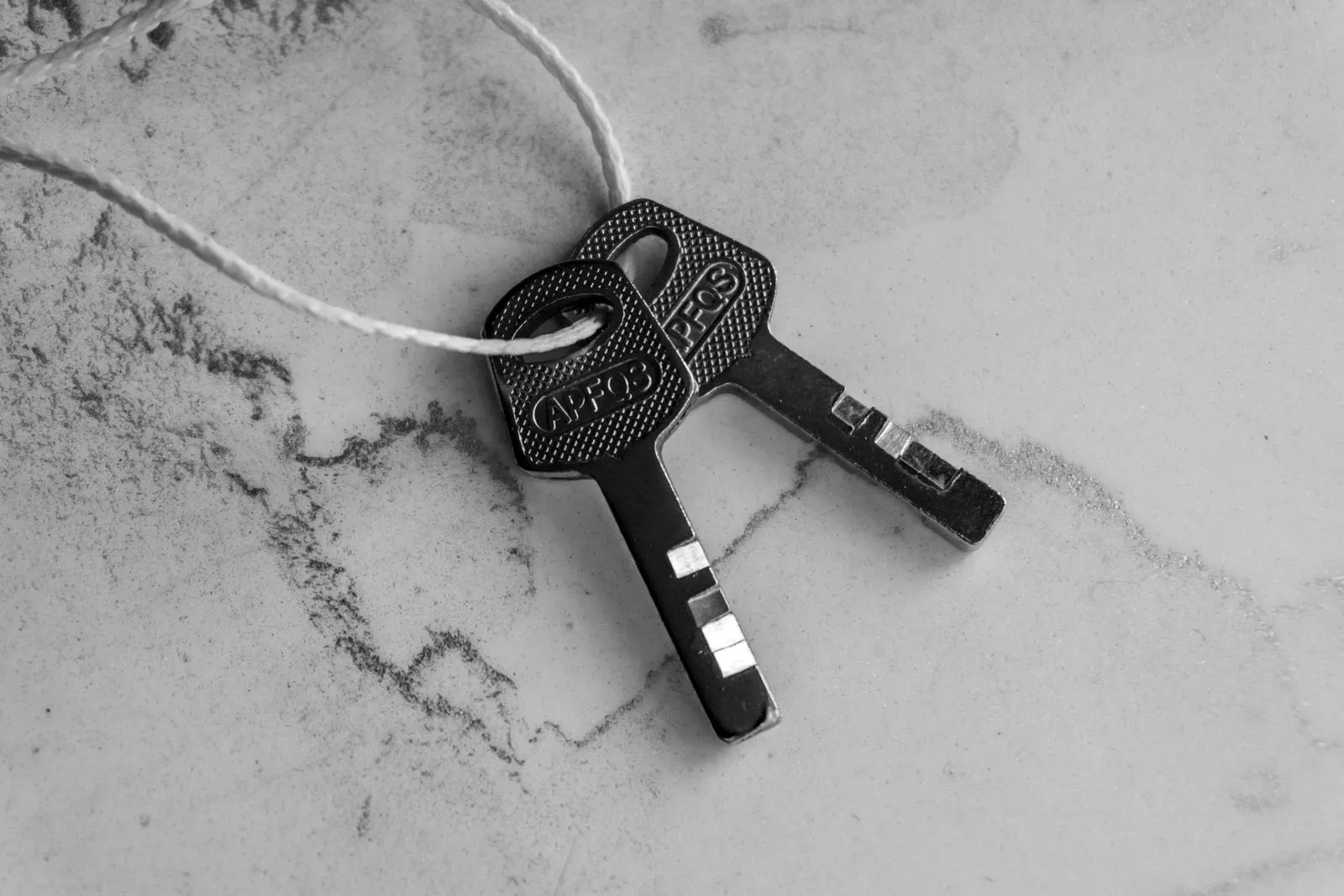
An FTC consumer alert on home rentals adds two variations reported by owners of rental homes. Some scammers get into lockboxes, copy the keys and pose as rental agents. Others list a property that's already leased and try to collect application fees, security deposits and even the first month's rent. Whatever the variation, the FTC notes that once the scammer has your money or personal information, they disappear and you're left with no place to move into.
The landlord who can't meet you: out of town and in a hurry
The absent owner is the most familiar version of the second tactic above, and it runs on urgency. Often the pitch ends with a way to secure the home today, as long as you send money now. A rushed timeline makes it harder to stop and check. The FTC's advice for anyone who pressures you to decide quickly is short: walk away.
Craigslist sums up its advice in one rule: deal locally, face-to-face. It tells users not to provide or accept payment before meeting in person, and it calls requests to wire money or pay with gift cards scams. Requests to use an escrow service can be a scam too, so be wary when a landlord says a platform or agent will hold your money until you've seen the place.
In our view, a legitimate owner who lives far away usually arranges a showing through a property manager, a local agent or someone they trust, and doesn't ask for money before you've seen the home. If nobody can let you in without payment first, move on.
Vacation rentals come with their own twists. For those, the FTC advises getting a copy of the contract before you send any deposit, checking that the address really exists and, for a resort property, calling the front desk to confirm the details. Our guide to Airbnb scams covers vacation rental tricks in detail.
Rental application scams: fees, Social Security numbers and credit reports
Not every scammer is after your deposit. According to the FTC, some ask you to complete an application with your Social Security number, a picture of your driver's license, pay stubs and other personal details, then use that information to steal your identity. Others say you need to prove you're creditworthy by sending screenshots of your credit scores. What they really want is to get you enrolled in a paid credit monitoring program with recurring fees.
Application fees and credit checks are common when you rent, which is why these requests work. What differs is timing and control. The FTC says that until you've agreed to rent a place, a landlord doesn't need your Social Security number, credit score or other sensitive information. It adds that most landlords pull your credit score themselves rather than telling you to get it for them.
- Before a tour: In our view, your name and contact details are enough. No SSN, ID photo or pay stubs yet.
- When you apply: Apply through the property manager, rental company or listing site after you've seen the home and checked who runs it.
- Credit check: Expect the landlord to run it, not a link that signs you up for a paid monitoring service.
If you already sent your SSN, the FTC's steps for people who were scammed point you to IdentityTheft.gov. If someone has used your number, report it there and get a recovery plan; if you're not sure, follow the protection steps at IdentityTheft.gov/databreach. A credit freeze adds another layer: it's free, and while it's in place, nobody can open a new credit account in your name. You place it by contacting each of the three credit bureaus, Experian, TransUnion and Equifax.

Copied and edited listing photos: check the pictures first
Many rental scams start with photos taken from a real listing. A reverse image search shows whether the same pictures appear elsewhere. If the home turns up as a vacation rental, in another city or under a different contact name, the listing you found is very likely fake. If the search finds nothing, that's not an all-clear, because new, cropped or mirrored photos can slip past it.
Legitimate landlords edit photos too. Wide-angle lenses and brightened rooms are common. It becomes a problem when defects disappear, such as water stains or the construction site next door. Our guide on how to tell if a photo is photoshopped shows what retouching leaves behind. Listing photos can also be generated or restyled with AI, and our guide on how to tell if an image is AI-generated collects the typical tells.
Asking the landlord for a photo with a note showing your name and today's date used to be a decent test. It no longer proves much, because current AI image generators can render legible text.
An in-person tour with the real owner or manager is the decisive check. A live video tour is the next best option, as long as the person walks through the home in real time and responds to your requests, such as showing the view from a specific window. Neither replaces checking who is actually allowed to rent the place out.
Fake agents and fake owners: how to tell a rental scammer
Since a scammer may have access to the home or its photos, the key question is whether the person in front of you has the right to rent it. The FTC recommends asking a rental agent for a business card issued by the company that owns or manages the property, then checking the agent's ID against those records. According to the FTC's home rental alert, rental agents should have photo ID badges from the company that owns or manages the property.
With a private landlord, the FTC suggests searching city or county tax assessment websites to learn who owns the property, then checking the landlord's ID against those records. Before you sign, the FTC also suggests looking for signs at the rental with the name of the owner or manager and calling that company before you make a deal with anyone. Use a number you looked up yourself, not the one in the ad.
A few quick searches help too. Search the owner's or company's name with words like "complaint," "review" or "scam." Search the address with the owner's name: if the same home shows up with a different owner or rental company, that's a sign of a scam. And if you find the home listed for sale rather than for rent, the FTC calls that a big red flag.
Rental scams on Facebook Marketplace, Craigslist and Zillow
Rental scams can show up on any listing site, and the warning signs are the same everywhere. On Facebook Marketplace, Meta's help center tells buyers not to send deposits for high-value items such as apartments or cars before confirming they're real. More generally, it advises confirming that an item exists and who owns it, in person or over a video chat, before sending payment. Meta warns about moving the conversation to WhatsApp, text or email early on. Our guide to Facebook Marketplace scams covers the platform's other tricks.
Besides the payment rules above, Craigslist's safety pages warn against sharing your Social Security number, licenses or bank details with someone you met there, and they ask you to flag scam postings. For the conversation itself, the platform recommends its own mail relay.
Zillow, Trulia and similar sites carry many real listings, and in our view that also makes them a source for copied ads. The FTC's advice for home rentals: if a rental company's home shows up on a listing site, search the address to make sure it also appears on the company's own website. If it doesn't, the listing may be a scam. Wherever you found the ad, the FTC recommends reporting a fake rental to the website that posted it.
How to check if a rental property is legit: a step-by-step checklist
These checks take a few minutes and weed out many rental scams before you've shared anything. They combine the advice from the FTC, Craigslist and Meta above:
- Search the address: Look it up with the owner's or company's name, and check whether the home is listed for sale instead.
- Reverse search the photos: If they appear with other contacts, other prices or as a vacation rental, stop.
- Compare the rent: If it's far below similar homes nearby, ask why before you go further.
- Verify the owner: Check city or county tax assessment records and the landlord's ID, or an agent's company-issued ID.
- Tour in person: See the home with the owner or manager. A live video tour is only second best.
- Lease first, money second: Pay no deposit or rent until you've signed, and never pay by wire transfer, gift card or crypto.
- Share documents last: Give your SSN and pay stubs only on a real application after the tour.
If the landlord pushes back on any of these steps, treat that as your answer. Legitimate owners expect renters to ask questions. In our view, a listing that can't wait a day while you check it is a warning sign in itself.
After you sign: document move-in and protect your deposit
Once the lease is signed, the risk shifts. Now it's about recording the home's condition at move-in so you aren't charged later for damage that was already there. Our guide to the move-in inspection walks you through the checklist and the photos to take. When you move out, our article on security deposit deductions explains what landlords can deduct and how to dispute unfair charges.
That's one of the moments we're building TrustCamera for. You photograph or film the condition at move-in and move-out directly in the app, with no uploads from your gallery. Each capture gets a check code. Hand the codes to your landlord or property manager at the walkthrough, and they can check them straight away for free at app.trustcamera.com, no account needed. They'll see that the file hasn't changed since capture, along with the capture time and approximate location (within about 10 km, roughly 6 miles, never the exact position).
Keep your own copies of the photos, too. The captures with check codes document the condition in a way others can check, and they can help as a record. They don't decide a dispute, and they can't show whether something was staged or kept out of frame.
An honest landlord can use it the same way to show that listing photos are current: take fresh shots in the app and send you the codes to check right away. That still doesn't prove they're allowed to rent the place out. The Android and iOS versions of TrustCamera aren't out yet and are coming soon.
Already paid a rental scammer? What to do now
If you've already sent money, act right away. The FTC's advice for people who paid a scammer is to contact the company you paid through immediately. That might be your bank, a payment app, a wire transfer company or a gift card issuer. Ask it to reverse the payment or refund your money. Your money might already be gone, the FTC admits, but it says asking is always worth it. Don't send anything more, whatever the scammer promises or threatens.
Then report it. The FTC recommends reporting rental scams to your local law enforcement agency, the website where the ad was posted, the FTC at ReportFraud.ftc.gov and your state attorney general. Save screenshots of the listing, the messages and your payment first. Our guide on how to report a rental scam explains where to file, what to include and what happens next.
Frequently asked questions about rental scams
How do rental scams work?
Most follow one of two scripts. Scammers copy a real listing and swap in their own contact details, or they advertise a home that isn't for rent or doesn't exist. Then they collect an application fee, deposit or first month's rent, or your personal information, before you've seen the place, and disappear.
How can you tell a rental scammer?
Watch for rent far below the local market, an owner who can't meet in person, pressure to decide today and requests for wire transfers, gift cards or crypto. Asking for your Social Security number or credit score screenshots before a tour is another warning sign. A real owner or manager can show you the home and prove they're entitled to rent it.
How do I check if a rental property is legit online?
Search the address together with the owner's or company's name, and check whether the same home is listed elsewhere with different contact details or for sale. Run a reverse image search on the photos, and check county tax assessment records to see who owns the property. Then confirm everything with an in-person tour before paying.
Is it normal to pay an application fee before seeing a rental?
Application fees are common, but they belong on an application for a home you've already seen, submitted through the property manager, rental company or listing site. The FTC lists fake application fees as one of the ways scammers take money. Paying one to someone who won't show you the home is a risk you don't need to take.
Should I give my Social Security number on a rental application?
Only on a real application, after you've toured the home and verified the landlord or manager. The FTC says a landlord doesn't need your Social Security number, credit score or other sensitive information until you've agreed to rent a place. Most landlords run the credit check themselves instead of asking you for screenshots.
Can a self-guided tour be a scam?
Yes. The FTC warns that scammers sometimes set up self-guided tours by copying listings from landlords who use self-tour services. Seeing the inside of a home doesn't prove the person you're messaging owns or manages it. Verify the owner or company through records and contact details you found yourself before you apply or pay.
Conclusion: see it, verify it, then sign and pay
Nearly every rental scam depends on you paying or sharing documents before you can check the home and the person behind it. So keep the order straight: vet the listing, tour the home, verify the owner or manager, sign the lease and only then pay the deposit and rent.
Treat your personal information the same way. Your Social Security number and pay stubs go on a real application, the landlord runs the credit check, and anyone who pushes you to skip a step has usually told you what you need to know.
About the author

Co-founder & Marketing at TrustCamera
Yannick is a co-founder of TrustCamera and leads marketing and content. He holds a bachelor's and a master's degree in business and has worked in content marketing and SEO for years.