Buying & selling online
Used Car Scams: How They Work and How to Avoid Them
Used car scams explained: fake listings, fake escrow and shipping, title and VIN fraud, and seller traps. How to check a car and pay safely before you buy.
Most used car scams fall into three groups. Fake listings ask for a deposit or the full price upfront, often through a bogus escrow, shipping or "buyer protection" service. Real cars come with bad papers, such as a cloned VIN, a washed salvage title or a rolled-back odometer, while fake payments and overpaid checks target people selling a car. You avoid almost all of them by seeing the car in person, checking the title and VIN yourself and paying only at the handover with a traceable method.
We build TrustCamera, a camera app for photos and videos that others can check, so we pay close attention to what a listing photo can and can't prove. With used cars, the answer is clear: the papers and the handover matter far more than any picture.
Below you'll find how the main tricks work, a buyer checklist, the traps aimed at sellers and what to do if you already paid. For the scams you'll meet on any kind of listing, see our overview of Facebook Marketplace scams.
Used car scams at a glance: the common tricks
Used car scams usually go after your money before you can see the car, or sell you a car whose title or history isn't what it seems. Sellers get targeted too, with fake payments and checks for more than the asking price. The table shows how each scam works and what protects you.
| Scam | How it works | Your protection |
|---|---|---|
| The car that doesn't exist | Cheap listing, seller "away," deposit or full payment upfront | Never pay before you've seen the car |
| Fake escrow or buyer protection | Fake eBay Motors invoice, gift cards, wire transfer | Pick any service yourself, never pay with gift cards |
| Extra shipping fees | The car is "on its way," but more money is due | No payments to a seller you haven't met |
| Stolen or cloned car | VIN copied from another car, papers to match | Match the VIN on the car and title, run your own checks |
| Salvage, flood or washed title | Damage brand dropped by retitling in another state | Title history report and independent inspection |
| Odometer rollback | Mileage set lower than the real figure | Compare with reported readings and service records |
| Overpayment check | A "buyer" overpays and wants the difference back | Never refund money from a check |
The FBI's Internet Crime Complaint Center (IC3) has warned about fake vehicle listings for years. Its alert on fraudulent online vehicle sales counted about 27,000 complaints with adjusted losses of more than $54 million between May 2014 and December 2017, for cars, RVs, boats and other items the sellers never had.
Scam 1: The car that doesn't exist
The most common used car scam is the simplest: a listing for a car the seller doesn't have. Its photos look great, the price sits well below similar cars, and there's a reason it has to go fast. According to the IC3, the usual stories go like this: the seller is moving or being deployed by the military, got the car in a divorce, or inherited it from a relative who died.
Every story ends the same way. You can't see the car, but you can pay first and have it shipped, or send a deposit to "hold" it because other buyers are supposedly lined up. Once the money is gone, so is the seller.
On Facebook Marketplace, Craigslist and similar sites, the pattern also shows up in local listings. Meta's help center tells buyers not to send deposits for high-value items such as cars before confirming they're real. A related trick reposts someone else's real car and collects your money for it, which we explain in our guide to triangulation fraud.
In our view, no deposit, "holding fee" or shipping payment should go to a private seller you haven't met. If the seller won't let you or a mechanic look at the car, walk away.
Scam 2: Fake escrow, fake shipping and fake "buyer protection"
Many online car scams add a fake safety net. The seller suggests a well-known company's buyer protection program, an escrow agent or a shipper that "holds" your payment until you approve the car. Then an email arrives that seems to come from that company, with an invoice and a toll-free number.
The FTC's warning on phony online car sales describes fake invoices that appear to come from eBay Motors and demand payment in eBay gift cards. If you call the number on the invoice, the scammer answers and pretends to work for eBay Motors. The FTC is blunt about payment: anyone who tells you to pay with gift cards or by wire transfer is running a scam, every time. Sellers who demand more money after the sale for "shipping" or "transportation" are on its list of warning signs too.
A newer version skips the private seller. In September 2026, the FTC warned that scammers clone real car dealership websites, often with AI, to take upfront payments for cars that don't exist. Its advice: see the car and the dealership in person or, if the car is too far away, hire a mobile inspection service. Walk away from a dealer that insists on an upfront wire transfer. Our guide on how to tell if a website is legit covers the checks for any unfamiliar site.
Real escrow services exist. Use one only if you found and checked it yourself. If the seller picks the service, sends the link or has "their agent" call you, treat it as part of the scam.
Scam 3: A real car with the wrong papers
Not every used car scam takes your money and disappears. Sometimes you get a car, just not the one you think you bought, because the problems hide in its title and history.
Stolen and cloned cars: A stolen car can be sold with a VIN copied from a legally titled car of the same make, model and year. The Justice Department's NMVTIS site describes a Florida ring that stole cars, swapped in VINs from other vehicles and sold these clones to buyers. Compare the VIN on the title with the plate on the dashboard and the sticker in the driver's door jamb. All of them must match, and the name on the title should match the seller's ID.
Salvage, flood and washed titles: When a car is badly damaged, a state can put a "brand" such as junk, salvage or flood on its title. According to the NMVTIS consumer page, brands can be "washed" when a car is retitled in a state that doesn't check the records of other states, so the new paper title looks clean. States also brand differently, and some have no flood brand at all.
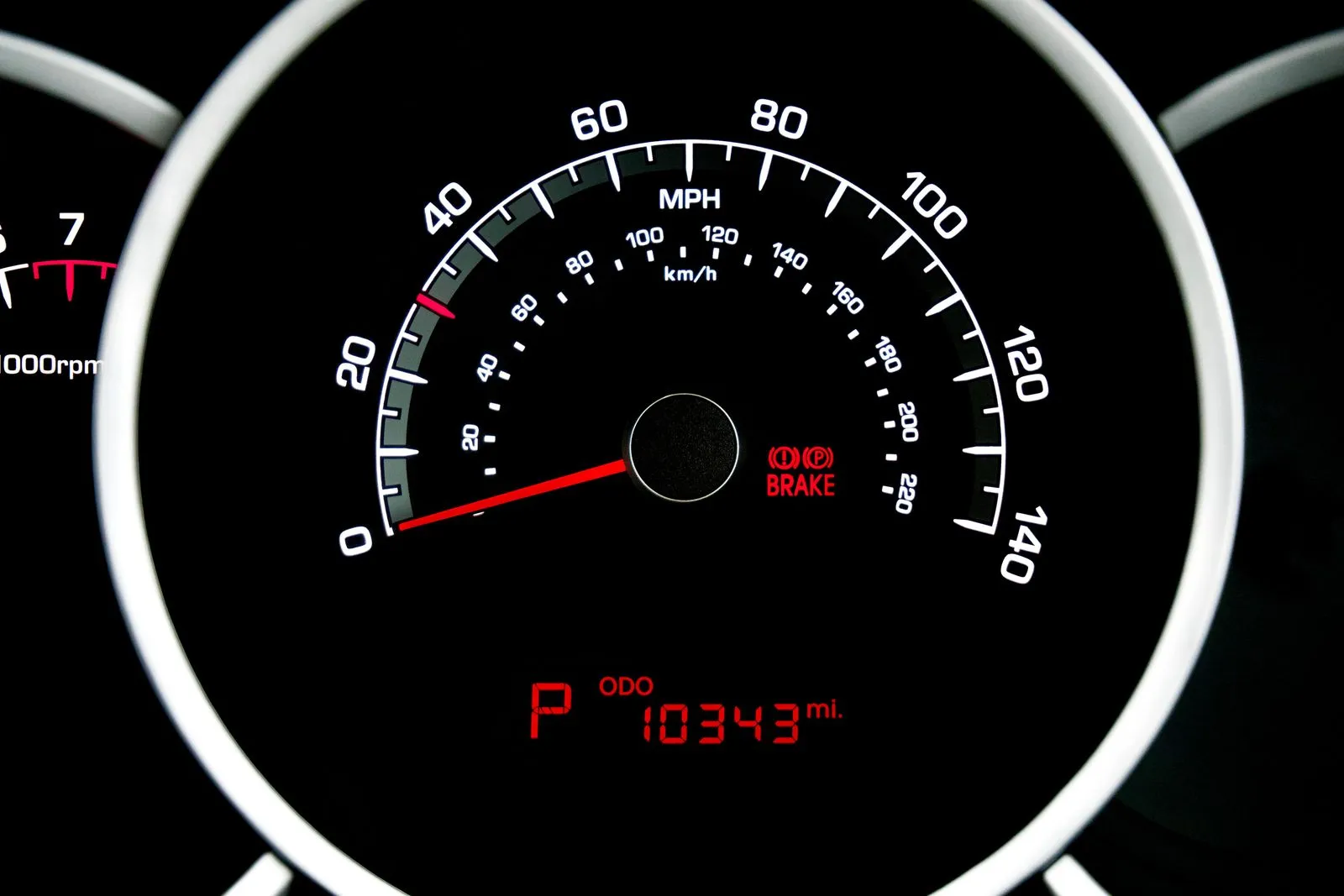
Odometer rollback: A rolled-back odometer makes a car look less used than it is. NMVTIS reports include the latest reported odometer readings, so a dash showing fewer miles than an older record is a clear red flag. Service receipts and inspection records with mileage help you cross-check.
Two checks are worth running before you pay. Vehiclehistory.gov lists approved providers of NMVTIS reports, which show title brands, odometer readings and insurance total-loss records. The free NICB VINCheck shows whether participating insurers reported a car as stolen and not recovered, salvage or flood damaged, with up to five searches per IP address a day. By the NICB's own account, VINCheck isn't a full history report, so treat a clean result as one check among several.
Used car scams that target you as the seller
Sellers face their own set of tricks. The FTC warns that a fake check scam targets online car sellers: a buyer who "isn't local" sends a check as a deposit, it's for more than agreed, and you're asked to send back the extra. Those funds may show up in your account, but it can take the bank weeks to discover the check was fake. Then the bank takes the money back, and you've lost what you sent.
A common twist involves pickup. Meta's help center describes buyers who overpay and ask you to forward the difference to their "movers," and with cars it's often a shipper who will collect the car. The FTC also warns about fake payment notifications and bogus refund requests from buyers who insist on payment apps.
Another trick looks like due diligence. In an FTC alert on vehicle history report scams, "buyers" asked sellers to buy a report for about $20 from a specific website and then vanished. The site may be a way to collect your card number and personal details. If someone insists on a particular site, ask why and think twice.
In our view, three habits protect sellers. Don't send photos of your title or driver's license to strangers, since they give a scammer details for fake paperwork. Ride along on test drives. And sign over the title only when the money is final in your account. All the other tricks aimed at sellers are in our guide to Facebook Marketplace seller scams.
How to avoid used car scams: a 7-step checklist for buyers
You'll rarely spot a scam from the listing alone. What works is a fixed order: car first, papers second, money last.
- See the car in person. Or send a mechanic you chose yourself. No deposit before that.
- Match the VIN. Dashboard, door jamb, title and history report must show the same number.
- Read the title. The seller's name, any brands and any lienholder listed on it.
- Run your own checks. Use the VIN from the car itself, not a report the seller sends you.
- Get an independent inspection. The FTC notes that experts agree you should have one before you buy.
- Pay at the handover. Use a traceable method, never gift cards, wire transfers or crypto.
- Finish the paperwork. Get the signed title and a bill of sale, then register with your state's DMV.
For a private sale, in our view, paying at your bank with a cashier's check or a transfer is safer than carrying cash. Our guide to the safest way to pay on Facebook Marketplace compares the options, and our article on the PayPal Friends and Family scam explains why that button is risky with strangers.
Photos and videos in a car listing: what they prove
Listing photos are where many used car scams on Facebook Marketplace start. Scammers take pictures from older listings, dealer sites or auction pages. A reverse image search often shows within a minute whether the same car appears somewhere else. No result doesn't mean the listing is safe, though, because fresh or edited photos usually don't turn up.
A live video call says more. Ask the seller to walk around the car, show the VIN plate, the odometer and the title next to the car. Someone with a story about being overseas will usually find a reason why that's not possible right now.
For a recording you can check later, ask the seller for a fresh video of the car taken in the TrustCamera app. Photos and videos are captured directly in the app, without gallery uploads, and each capture gets a verification code. Anyone can check it for free in the browser without an account. It shows that the file hasn't changed since capture, when it was taken and roughly where, to about 10 km, never the exact spot. That helps against recycled photos and "the car is overseas" stories.
The limits matter just as much. A verified video doesn't prove who owns the car, that the title is clean or that there are no hidden defects. It doesn't replace seeing the car and matching the VIN, and it's never a reason to prepay. The TrustCamera app for Android and iOS is coming soon.
Scammed buying a car? What to do now
If you paid for a car that never came, or found out the papers are fake, act quickly. Speed matters most with the payment, because some can still be stopped or disputed for a short time. These steps help:
- Contact your bank or payment app. Ask whether the payment can be stopped, reversed or disputed.
- Call the gift card company. The FTC advises reporting a gift card scam to the card's issuer right away.
- Save the evidence. Keep the listing, chats, emails, invoices, the VIN and all receipts.
- Report the listing. Flag the seller on Facebook Marketplace, Craigslist, eBay Motors or the site you used.
- File reports. Report to the FTC at ReportFraud.ftc.gov and to the IC3 at ic3.gov, and file a police report.
If you bought a car that turns out to be stolen or carries a hidden brand, contact the police and your state's DMV, and ask your state attorney general's consumer office about your options. For the steps that apply to Marketplace in particular, see our guide on what to do if you got scammed on Facebook Marketplace.
Frequently asked questions about used car scams
How do car scams work?
Most car scams get your money before you can check anything. A fake seller offers a cheap car with a story about deployment, a move or an inheritance, then asks for a deposit or full payment through gift cards, a wire transfer or a fake escrow service. Other scams sell a real car with a cloned VIN, a washed title or a rolled-back odometer.
What are the most common used car scams on Facebook Marketplace?
Deposits to "hold" a car you haven't seen, sellers who are out of town and want to ship the car, and copied photos from other listings. Sellers on Marketplace get fake payment screenshots and overpayment checks. Meta advises against sending deposits for cars before you've confirmed they're real.
Can a Carfax report be fake?
A report someone sends you as a PDF or screenshot can be edited or belong to a different car. Run your own report with the VIN you read off the car itself, through a provider listed on vehiclehistory.gov or another service you chose. Compare the mileage, title brands and owner history with what the seller told you.
How do I check if a used car is stolen?
Enter the VIN in the free NICB VINCheck, which shows thefts reported by participating insurers, and order an NMVTIS-based history report. Make sure the VIN on the dashboard, the door jamb and the title all match. If anything looks altered or the seller's name differs from the title, don't buy.
How do I avoid scams when selling a used car?
Don't accept a check for more than the price, and never send back an "overpayment." Check every payment in your own bank account rather than trusting a screenshot. Ignore buyers who want you to buy a history report from a site they choose, and sign over the title only once the money is final.
Bottom line: see the car, check the papers, then pay
Used car scams work when money moves before anyone has seen the car or the title. Fake escrow emails, gift card invoices and shipping stories exist to make that happen. A matching VIN, a title in the seller's name, your own history report and an independent inspection close most of the gaps.
If something already went wrong, contact your bank or payment app right away and report the scam to the FTC and the IC3. And when a car is cheap, far away and can only be paid for upfront, you already know enough to walk away.
About the author

Co-founder & Marketing at TrustCamera
Yannick is a co-founder of TrustCamera and leads marketing and content. He holds a bachelor's and a master's degree in business and has worked in content marketing and SEO for years.