Buying & selling online
Triangulation Fraud: How the Scam Works and How to Avoid It
Triangulation fraud explained: the three versions buyers and sellers run into on marketplaces, the warning signs before you pay, and what to do afterward.
Triangulation fraud is a scam in which a middleman plays two innocent people against each other. The scammer sells you something that belongs to someone else, ships you goods bought with a stolen card, or gets a stranger to pay you for the item you're selling. Someone ends up out of money or goods, and the scammer walks away with both.
You protect yourself by making sure the person you're messaging, the name on the receiving account and the sender of the item all match, and by paying with cash in person or a method that has buyer protection.
What makes this scam hard to catch is that everything looks real. The item exists, the payment arrives, and the account belongs to an actual person. We build a camera app that lets sellers make their photos verifiable, so we study how marketplace scammers fool people.
Below you'll find how the three versions of triangulation fraud work, the signs that give them away before you pay, and the steps to take if it already happened. For an overview of every common trick, see our guide to Facebook Marketplace scams.
What is triangulation fraud? The scam in plain terms
Triangulation fraud is a three-party scam. A fraudster poses as the seller to one person and as the buyer to another, so both believe they're dealing with him. Money moves between the two people who know nothing about each other, and the goods end up with the scammer or are paid for with someone else's money. Who loses depends on the version of the scam and how the payment was made.
The term started in e-commerce, where fraud teams use it for orders paid with stolen cards. As far back as 2012, the FBI's Internet Crime Complaint Center listed "Triangulation Schemes" among the top nine fraud attacks hitting online stores in a scam alert, citing a payment management company's ranking. Today the same pattern shows up wherever strangers buy and sell directly. The table shows who pays whom in each version.
| Version | Who pays whom? | Who ships the item? | Who usually loses? |
|---|---|---|---|
| You pay a stranger's item | You pay a real seller you never talked to | The real seller ships to the scammer | You, the buyer |
| Stolen-card order | You pay the scammer | A retailer ships to you, paid with a stolen card | The cardholder or retailer, and you can be pulled in |
| A stranger pays for your item | A third person pays you | You hand the item to the scammer | You, the seller |
Version 1: You pay for a stranger's item
In the first version, the scammer copies a real listing or reposts an item someone else is selling. At the same time, he messages the real seller as an interested buyer and agrees on a price. Then he gives you the real seller's payment details: their Zelle contact, Venmo handle or PayPal email.
You send the money, and it lands with the real seller. From their side, everything checks out, so they ship the item to the address the scammer gave them or hand it to his "cousin" at pickup. You wait, nothing arrives, and the scammer's profile is gone. The real seller never heard of you.
This is what makes the middleman scam so frustrating. The account you paid belongs to someone who actually sold something and delivered it. If you used Zelle, there is little to dispute. According to Wells Fargo's Zelle FAQ, neither the bank nor Zelle offers purchase protection, and a payment to an enrolled recipient can't be canceled. The bank advises using Zelle only with people you know and trust.
Version 2: You buy goods paid with a stolen card
This is the classic triangulation scam that online retailers worry about. A seller on a marketplace lists new products well below the usual price. When you order and pay, the scammer buys the same product from a real retailer using stolen card details and has it shipped to your address. Your money stays with the scammer.
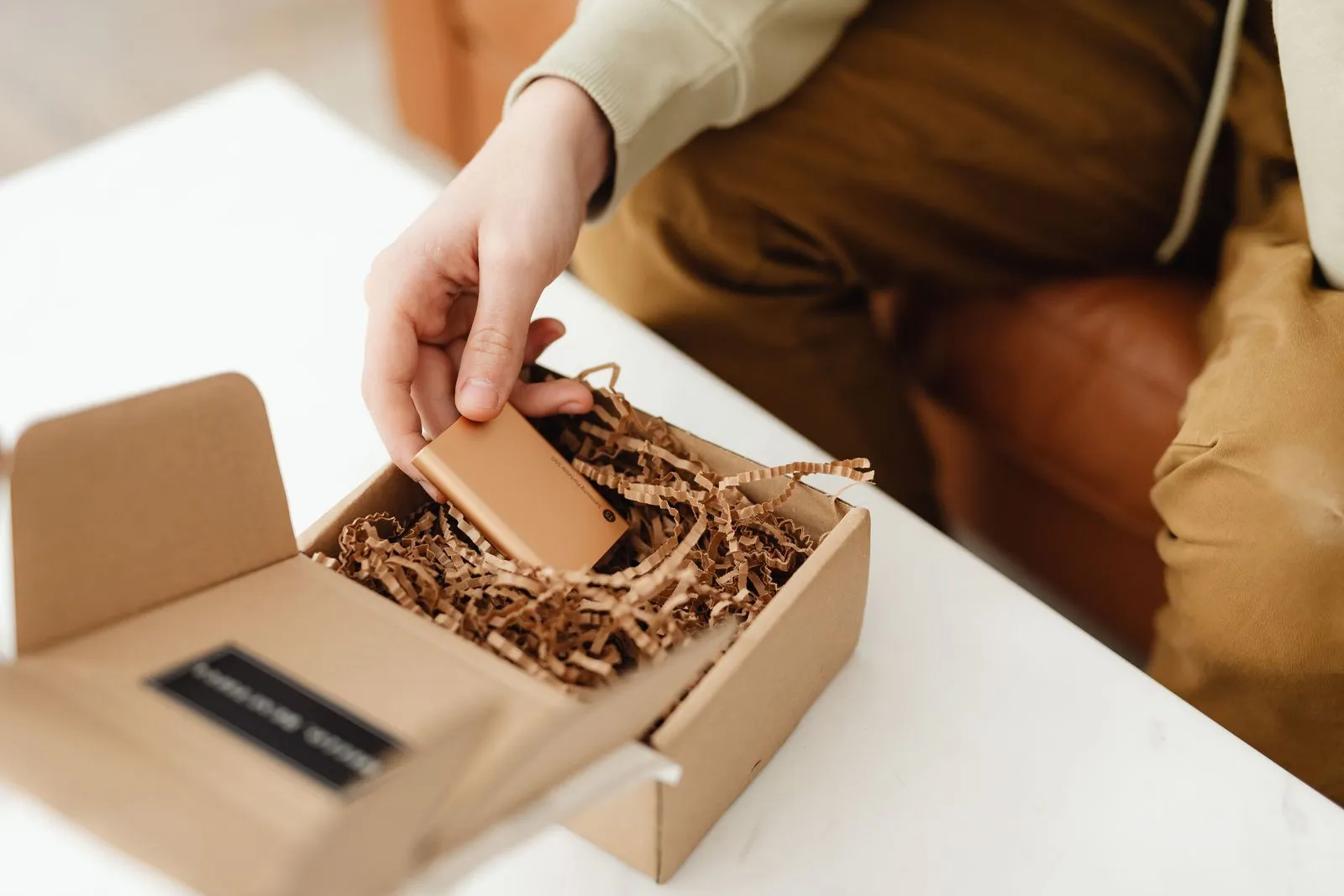
At first, you notice nothing. A new item arrives, often in a box from a big-name store, sometimes with a packing slip or gift receipt in someone else's name. Weeks later, the real cardholder spots the charge and disputes it. The retailer loses the money and the product, and in some cases the trail leads to your address, because that's where the stolen order went.
The warning signs are mostly in the delivery. You bought from a private seller or a small shop, but the package comes from a major retailer, and the paperwork doesn't match your order. If that happens, contact the retailer on the packing slip, tell them what you bought and from whom, and keep everything. Don't resell an item you suspect was bought with a stolen card.
Version 3: Triangulation fraud when you're the seller
The third version targets sellers. A "buyer" shows interest in your item and asks for your payment details. Meanwhile, he reposts your item as his own and sells it to a third person, passing along your Zelle, Venmo or PayPal details. That person pays you, believing they're paying him.
You see the money arrive, so you ship the item or hand it to whoever comes to collect it. When the third person never receives anything, they file a dispute or ask their bank to claw the payment back. You end up without the item and, quite possibly, without the money.
Seller protection rarely saves you here. PayPal's Seller Protection program requires, among other things, shipping to the address on the Transaction Details page, and that address belongs to the third person, not the scammer. Items handed over in person are excluded too, unless the buyer paid on the spot with a PayPal Goods and Services QR code.
If the payment came by Zelle, the payer will likely contact you, because your name is the one they see. Whether you owe them a refund is a legal question that depends on the facts, so talk to your bank and, if needed, a lawyer.
In our view, the pattern fits anywhere payment comes first and pickup or shipping follows, including car sales, where the amounts are far higher. For the other tricks fake buyers use, see our guide to Facebook Marketplace seller scams.
How to spot triangulation fraud: 6 warning signs
Spotting triangulation fraud is tricky, because the usual red flags are missing. There's no fake payment email and no link to a cloned checkout page. Instead, look for gaps between three roles: who is messaging you, who owns the receiving account, and who ships or collects the item.
- The account name doesn't match the profile. If your payment app shows the recipient's name before you confirm, compare it with the person you're chatting with. "It's my girlfriend's account" is not a good reason when you're dealing with a stranger.
- The price is well below market value. New electronics or designer goods at half price are the bait in many stolen-card schemes.
- The seller wants Zelle, Cash App or PayPal Friends and Family. These payments are hard or impossible to reverse.
- The seller avoids the platform's own checkout. The FTC warns that paying outside a marketplace means you lose any protection the site offers.
- As a seller: someone else pays, or someone else picks up. If the payer's name or the delivery address differs from your buyer, stop.
- Everything has to happen fast. Pressure keeps you from asking questions or searching for the original listing.
In the stolen-card version, add one more sign: a "private" seller with a large stock of brand-new items at prices no retailer can match. Few people can sell new goods below cost for long unless someone else is paying.
Which payments protect you from a triangulation scam
Cash in person, after you've inspected the item, beats every other option. The money and the item change hands at the same moment, so there's no room for a middleman. Sellers should follow the same rule: hand the item only to the person standing in front of you and paying you directly. The FTC's guide to buying on online marketplaces recommends safer payment methods such as credit cards, which come with legal protections, and warns that paying outside the marketplace costs you the site's protection.
For shipped items, use the marketplace's own checkout when it's available, or PayPal Goods and Services. PayPal's Purchase Protection excludes personal payments, including Friends and Family, and it doesn't cover Item Not Received claims for items you collect in person unless you paid with a Goods and Services QR code. Vehicles are excluded as well. On Venmo, only payments tagged as purchases qualify for Venmo Purchase Protection.
There's a catch, though. In version 1, buyer protection can get your money back, but often from the innocent seller who shipped the item to the scammer. Protection moves the loss; it doesn't stop the scam. The real fix is making sure the person you pay is the person you're talking to. Our guide to the safest way to pay on Facebook Marketplace compares every option, and PayPal Friends and Family scams explains why personal payments and strangers don't mix.
Photos and videos as proof: what they show in a triangulation scam
In a triangulation scam, the listing photos usually belong to the real seller, because the scammer copied their listing. So search the marketplace for the same item. If it shows up with the same photos under a different name, message that seller directly. To find copied photos elsewhere on the web, run a reverse image search.
Asking for an extra photo with a handwritten note doesn't help much here. The scammer can simply ask the real seller for that exact photo and forward it to you. A live video call in which the other person shows the item tells you more, and meeting in person tells you the most.
As a seller, you can protect yourself better by documenting the item before you ship it, and we're building TrustCamera with exactly this kind of record in mind. You take photos and videos directly in the app, gallery uploads aren't possible, and every capture gets a verification code.
Anyone with the code can check it for free in the browser and see that the file hasn't changed since it was taken, when it was taken and roughly where. It isn't available to download yet; the Android and iOS versions are coming soon.
There are limits. Proof like this doesn't show who is behind a profile or who paid you. Against triangulation fraud, the payment method protects you first; the photo comes second.
What to do if you've been hit by triangulation fraud
If you paid and nothing came, or a retailer or the police contact you about a delivery, act fast. These steps help in every version:
- Save the evidence. Take screenshots of the listing, profile, chat and payment before they disappear. In the stolen-card version, keep the box, packing slip and receipt.
- Contact your bank or payment app. Ask whether the payment can be stopped or disputed. For PayPal Goods and Services, open a dispute in the Resolution Center. Card payments can be disputed with your card issuer.
- Report it to the marketplace. Flag the profile and the listing so the scammer can be blocked before he finds the next victim.
- Report it to the authorities. File a report at ReportFraud.ftc.gov, and file with the FBI's Internet Crime Complaint Center at ic3.gov if the scam happened online. Your local police can take a report too, which banks sometimes ask for.
- Contact the retailer (stolen-card version). Explain how you bought the item and offer to cooperate. Don't resell the item while the case is open.
If you're the seller and the third person contacts you, stay calm and remember they were scammed too. Never send money back to any account other than the one it came from, and talk to your bank before refunding anything. For Marketplace-specific steps, see our guide on what to do if you get scammed on Facebook Marketplace.
Frequently asked questions about triangulation fraud
What is triangulation fraud in simple terms?
A scammer places himself between a buyer and a seller who suspect nothing. He sells to one person an item that isn't his, while pretending to buy it from the other. The money moves between those two, and the scammer gets the item or keeps the money. In the e-commerce version, he pays for your order with a stolen card and keeps your payment.
How does triangulation fraud work on Facebook Marketplace?
Usually the scammer copies a real listing and gives you the real seller's Zelle, Venmo or PayPal details. You pay the real seller, who ships to the scammer or hands the item to his "friend." The reverse works too: a fake buyer gets a stranger to pay you for your item, then has it collected. Paying only the person you're meeting prevents both.
Is it illegal to receive an item bought through triangulation fraud?
If you didn't know, you're a victim, not a criminal. Once you suspect the item was paid for with a stolen card, though, don't resell it. Contact the retailer on the packing slip, explain how you bought it, and cooperate with any investigation. Report the seller to the marketplace and at ReportFraud.ftc.gov. For legal questions about your case, talk to a lawyer.
Does PayPal protect you from a triangulation scam?
As a buyer, PayPal Goods and Services can refund you if the item never arrives, but Friends and Family payments are excluded. The refund often comes out of the innocent seller who shipped to the scammer. As a seller, Seller Protection generally applies only if you ship to the address on the Transaction Details page, and in-person handovers are excluded unless the buyer paid with a QR code.
Who loses money in triangulation fraud?
It depends on the version and the payment method. In the marketplace version, it's usually the buyer who paid by Zelle or the seller who shipped after a disputed payment. In the stolen-card version, the cardholder disputes the charge and the retailer takes the loss, while the buyer may lose the item if it has to be returned.
What is a middleman scam?
"Middleman scam" is another name for the same pattern. Someone stands between a real buyer and a real seller, relays messages and payment details, and keeps the goods or the money for himself. The fix is the same: deal directly with the person who owns the item and pay through a protected method or in cash at pickup.
Bottom line: triangulation fraud fails when payer, seller and item line up
Triangulation fraud works only because the two people being played never talk to each other directly. When the person you're messaging, the name on the account and the sender of the item are the same, the scam has nothing to work with. Cash at pickup, a marketplace checkout or PayPal Goods and Services make it hard for a middleman, and a name that doesn't match the profile should always stop you.
If it already happened, save the evidence, report it to the marketplace, your bank and the FTC, and contact the retailer if goods arrived. And keep in mind that the person on the other side of the triangle is usually not an accomplice but someone who just got scammed the same way you did.
About the author

Co-founder & Marketing at TrustCamera
Yannick is a co-founder of TrustCamera and leads marketing and content. He holds a bachelor's and a master's degree in business and has worked in content marketing and SEO for years.